

Lithium
(
Li
)
The metal behind every battery
Top Producer
Australia
type
Critical Metal
technology

companies



Kunin is America’s only vertically integrated ion-exchange technology company
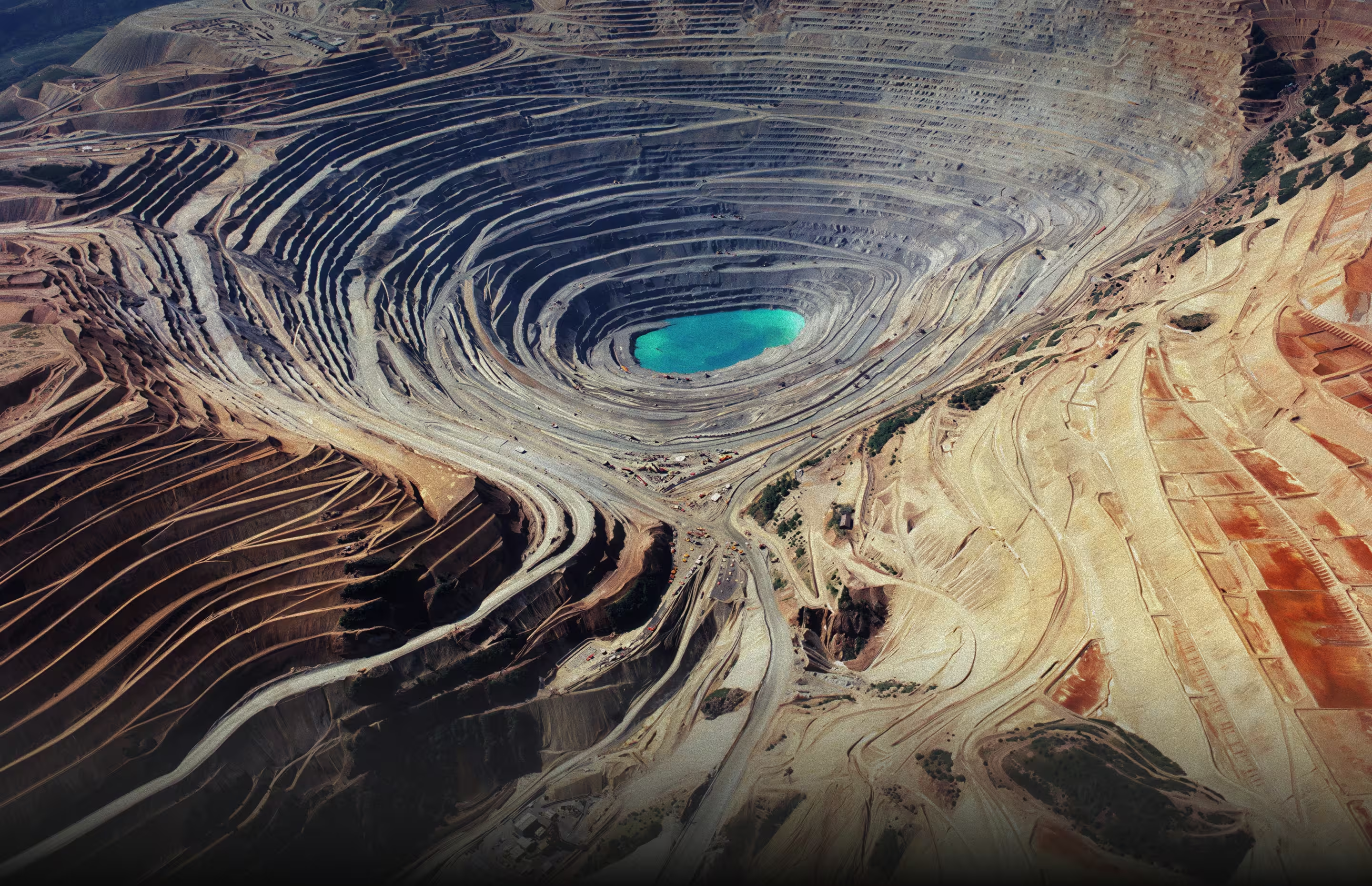
The United States was the leader in critical mineral production. In fact, we invested, commercialized, and industrialized the technologies used today.
But then mining operations went offshore.
Now the United States is import-reliant on foreign entities.

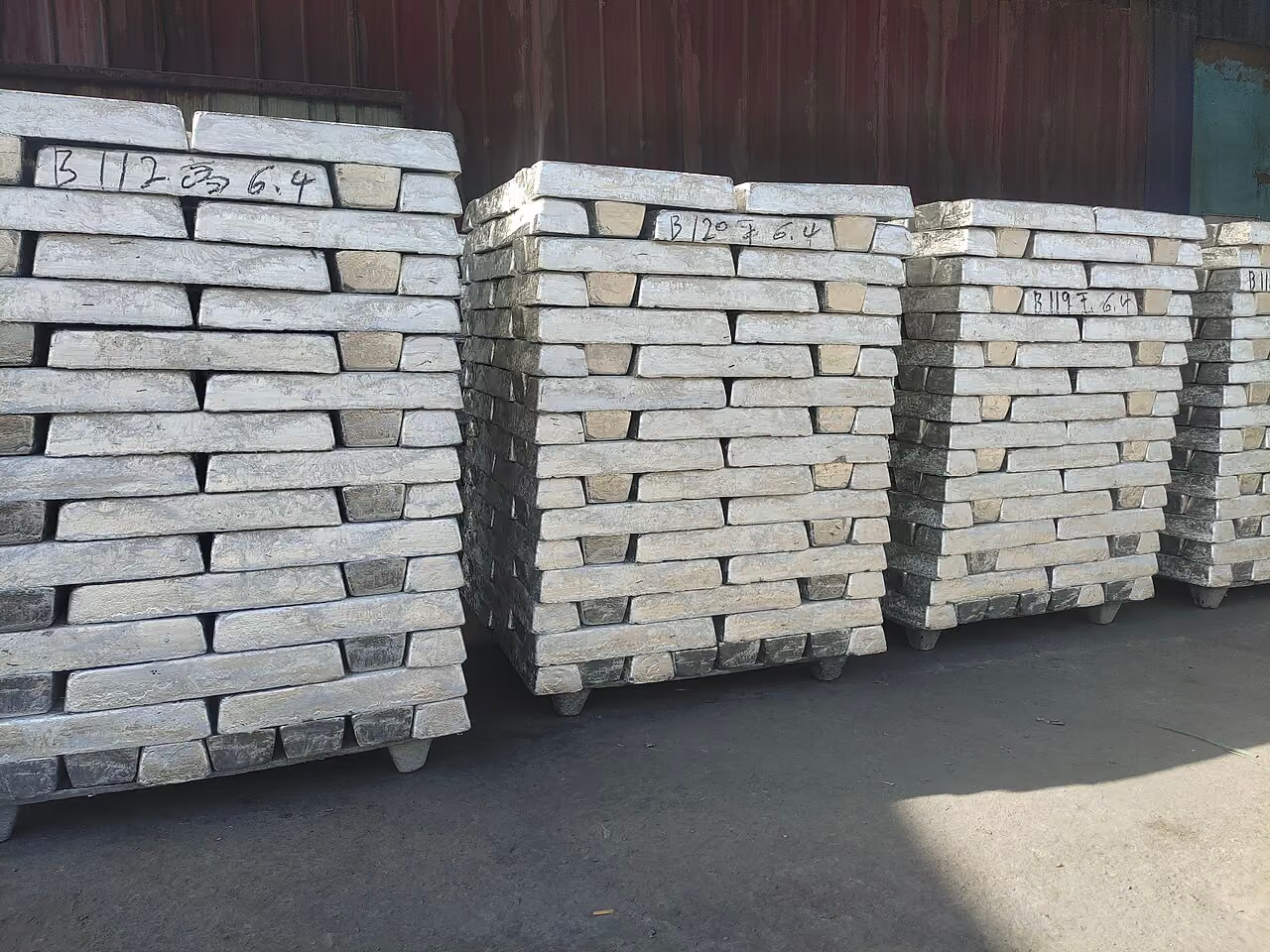
The metal behind every battery
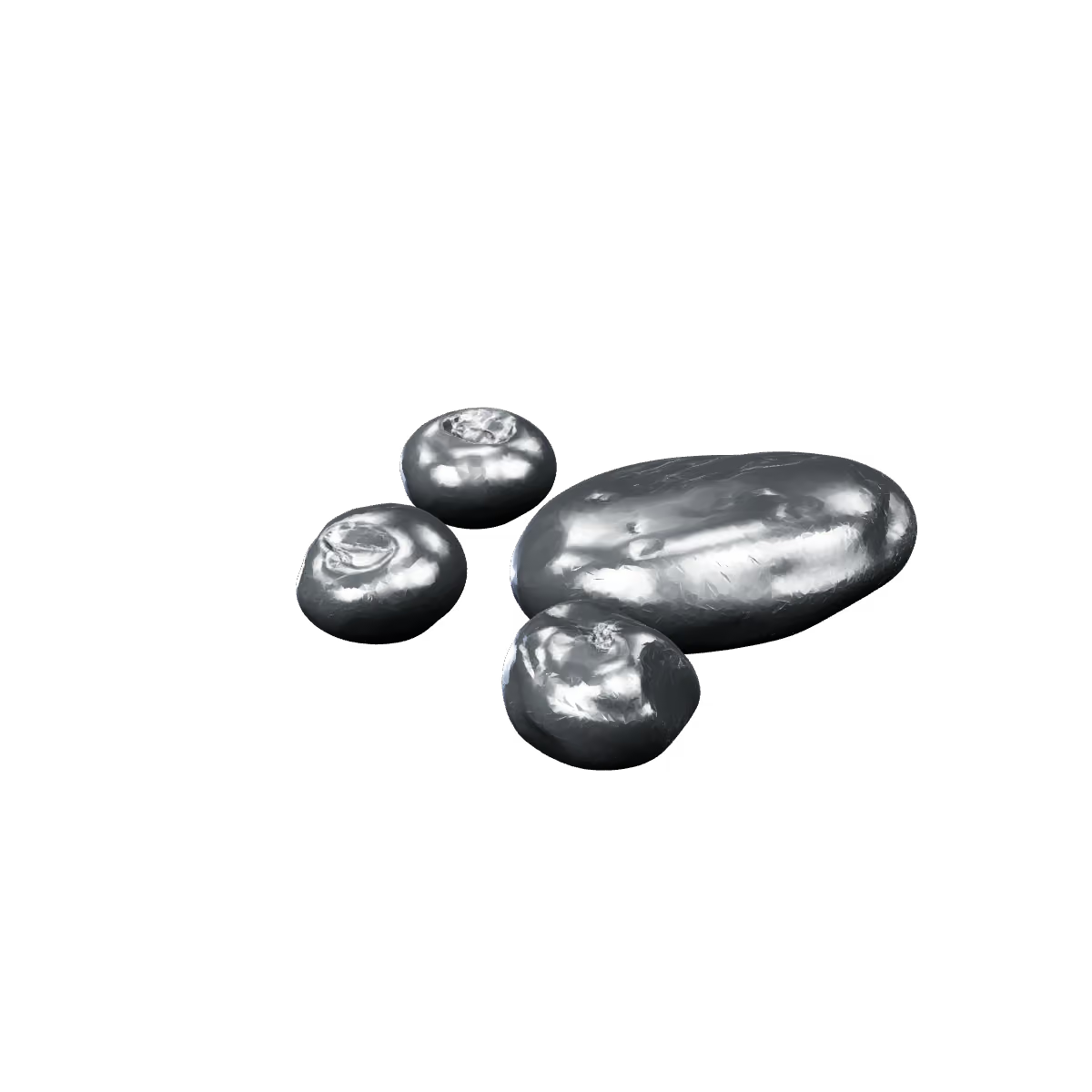
America mines its own beryllium



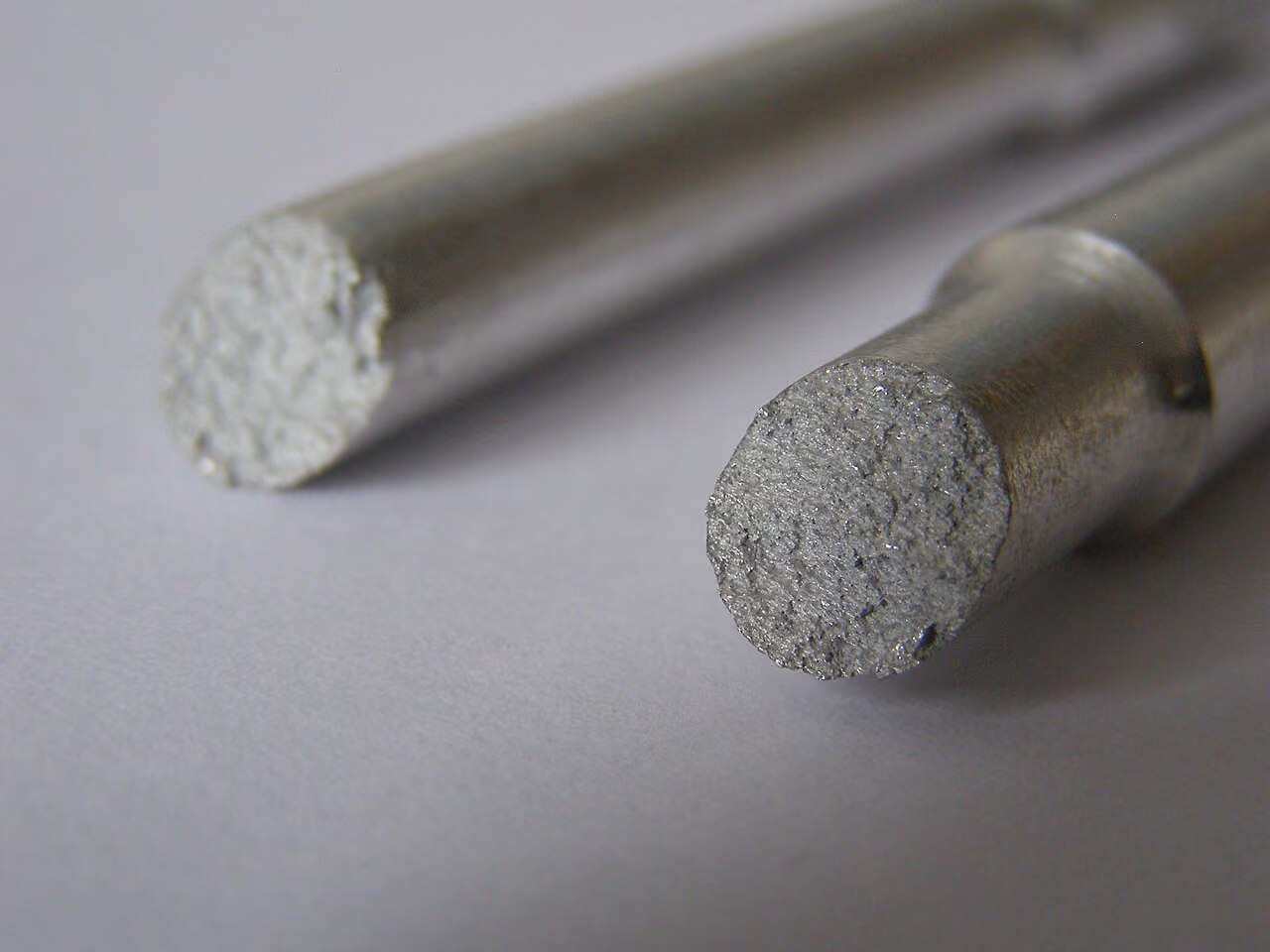
Lightest structural metal on Earth




The lightweight metal of everything
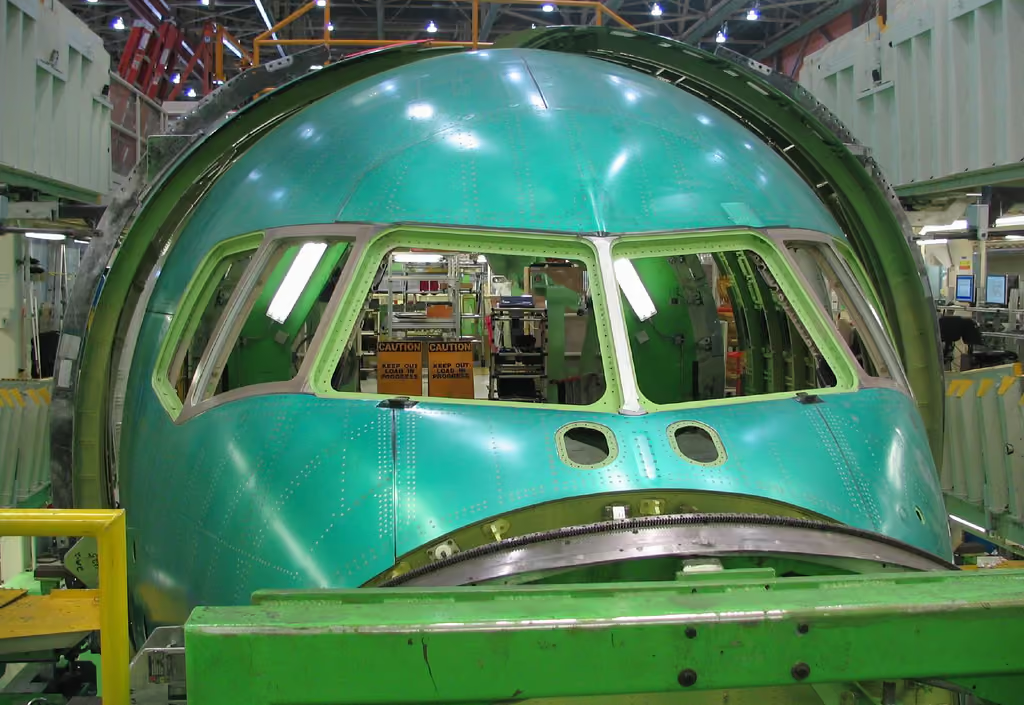
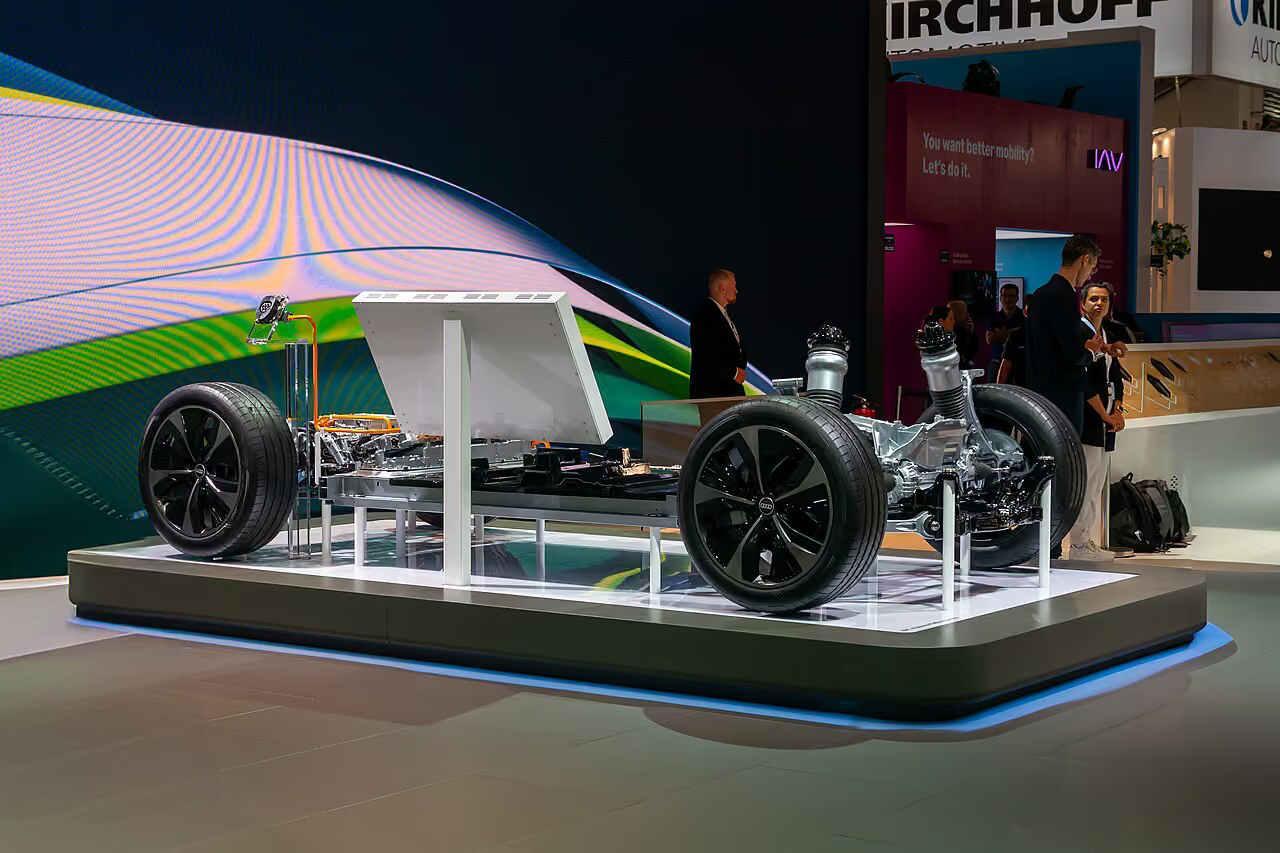




Lighter aircraft, cleaner power





Titanium flies everything





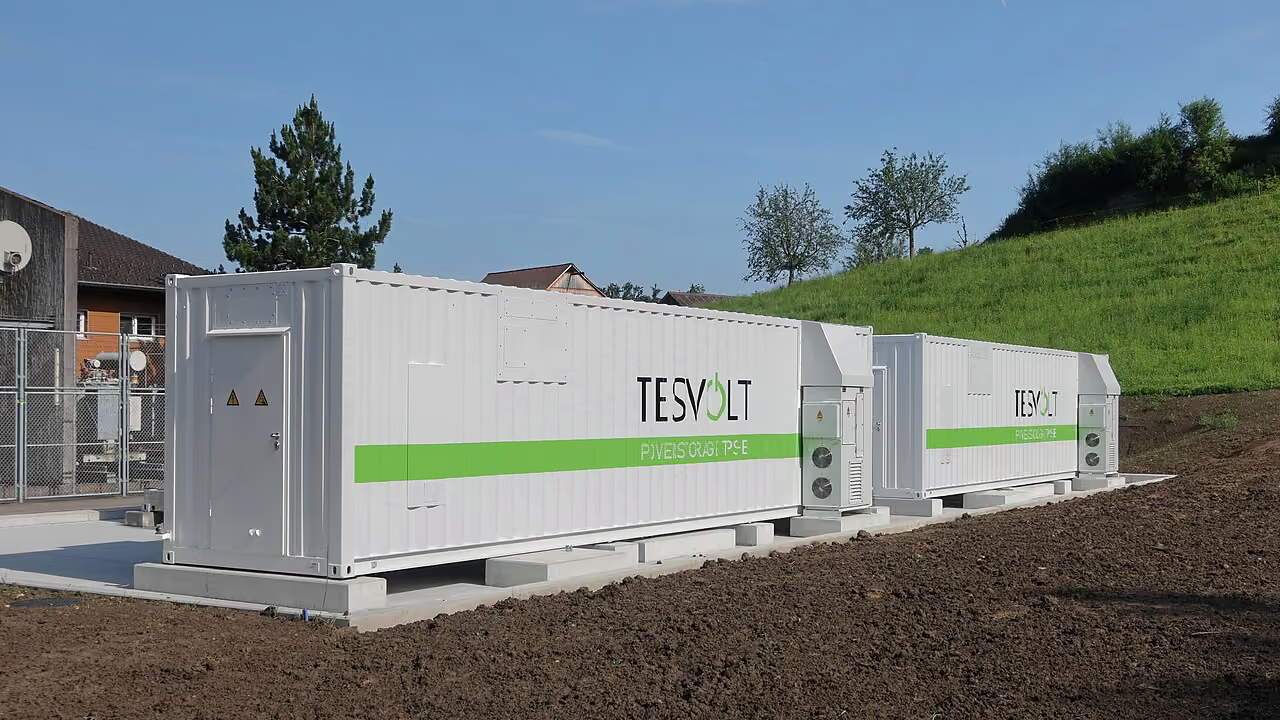
Powering long-duration grid storage
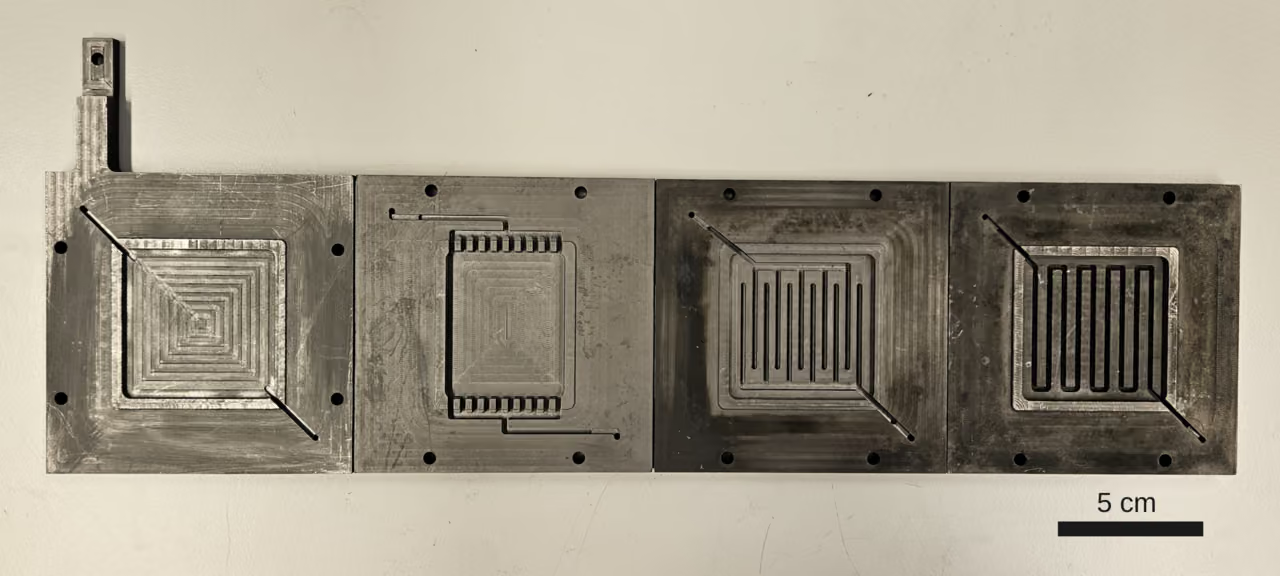
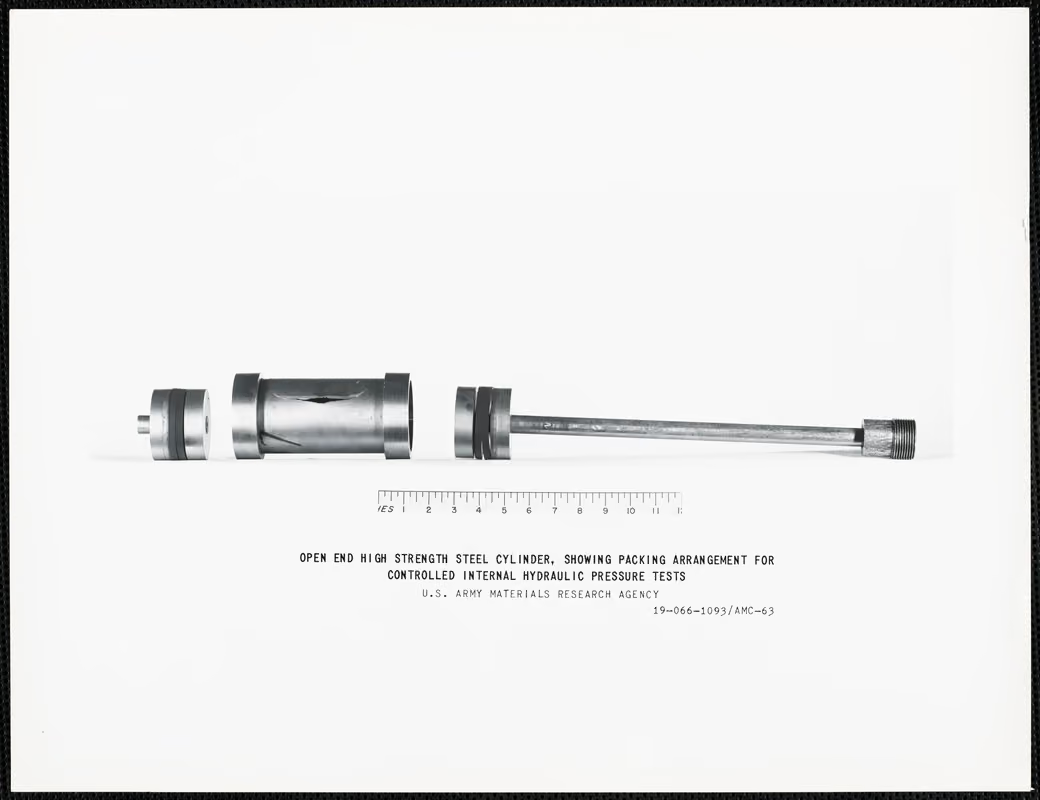
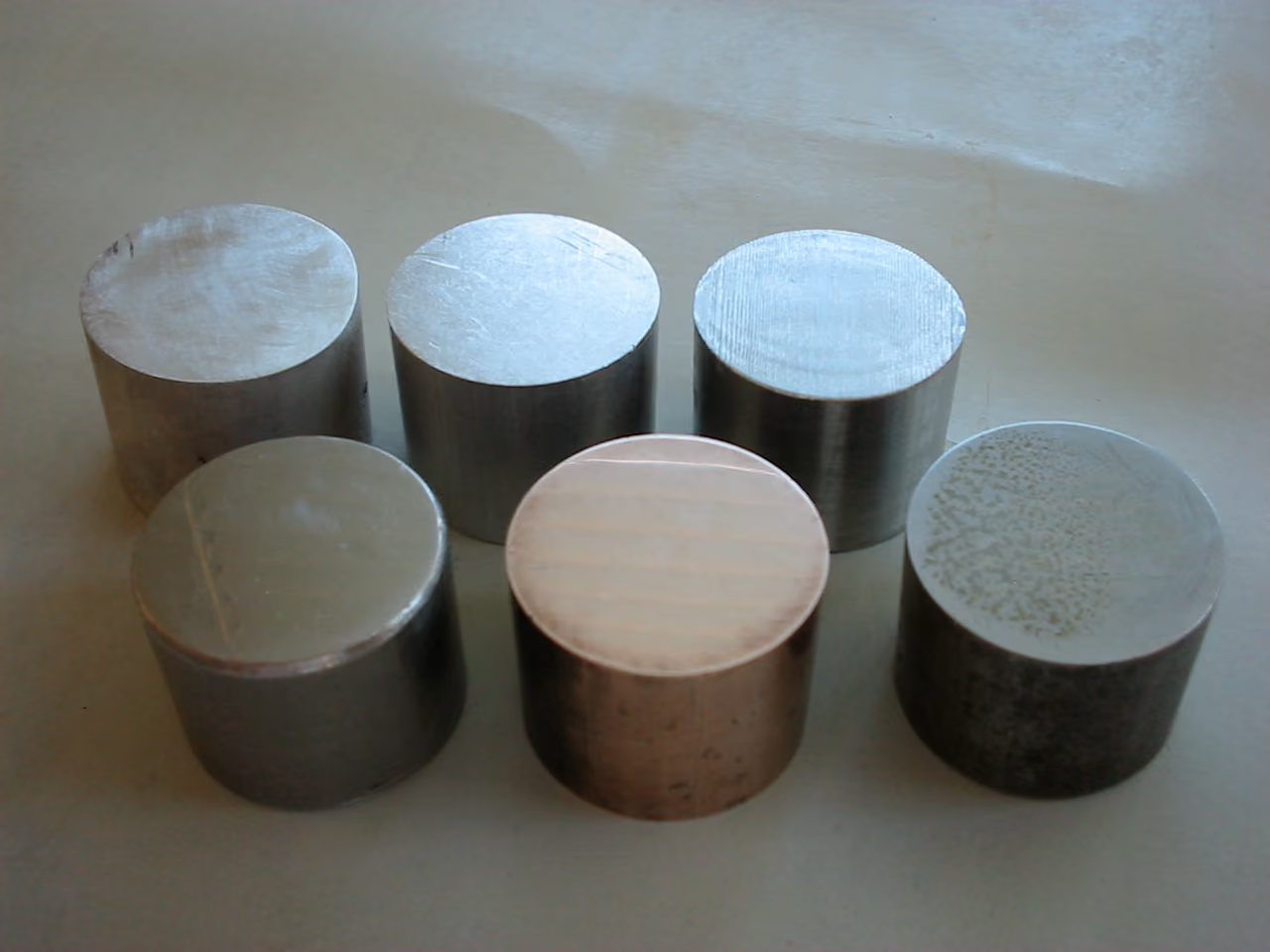


Backbone of stainless and superalloys




100 percent import dependent
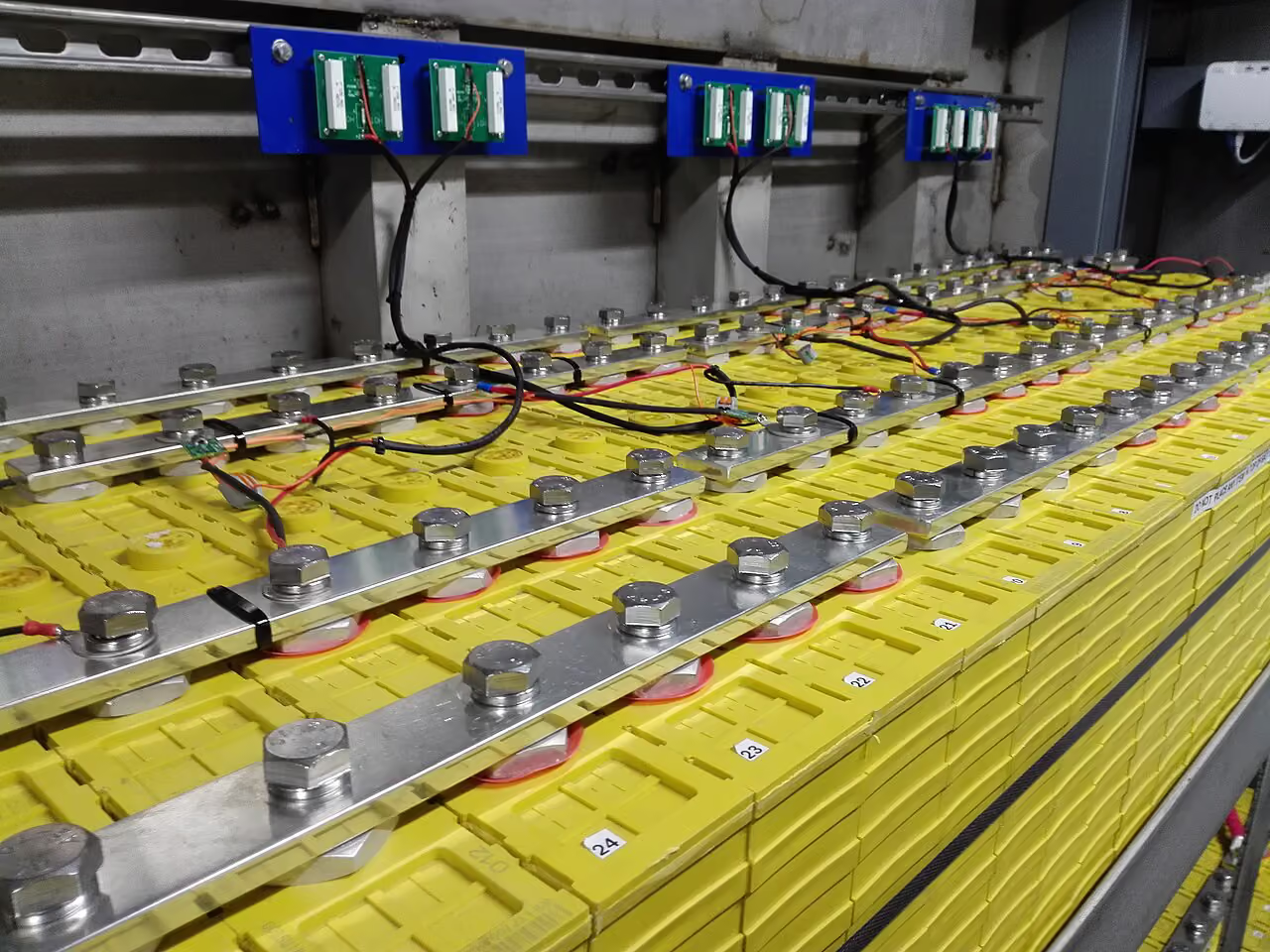


Backbone of industry



Congo controls the battery metal


Indonesia owns the cathode metal


Wiring the AI era



Galvanizing the industrial economy




Inside every 5G radio and power chip




The internet runs on glass







Hidden dopant inside every chip



Atoms powering quantum and clocks


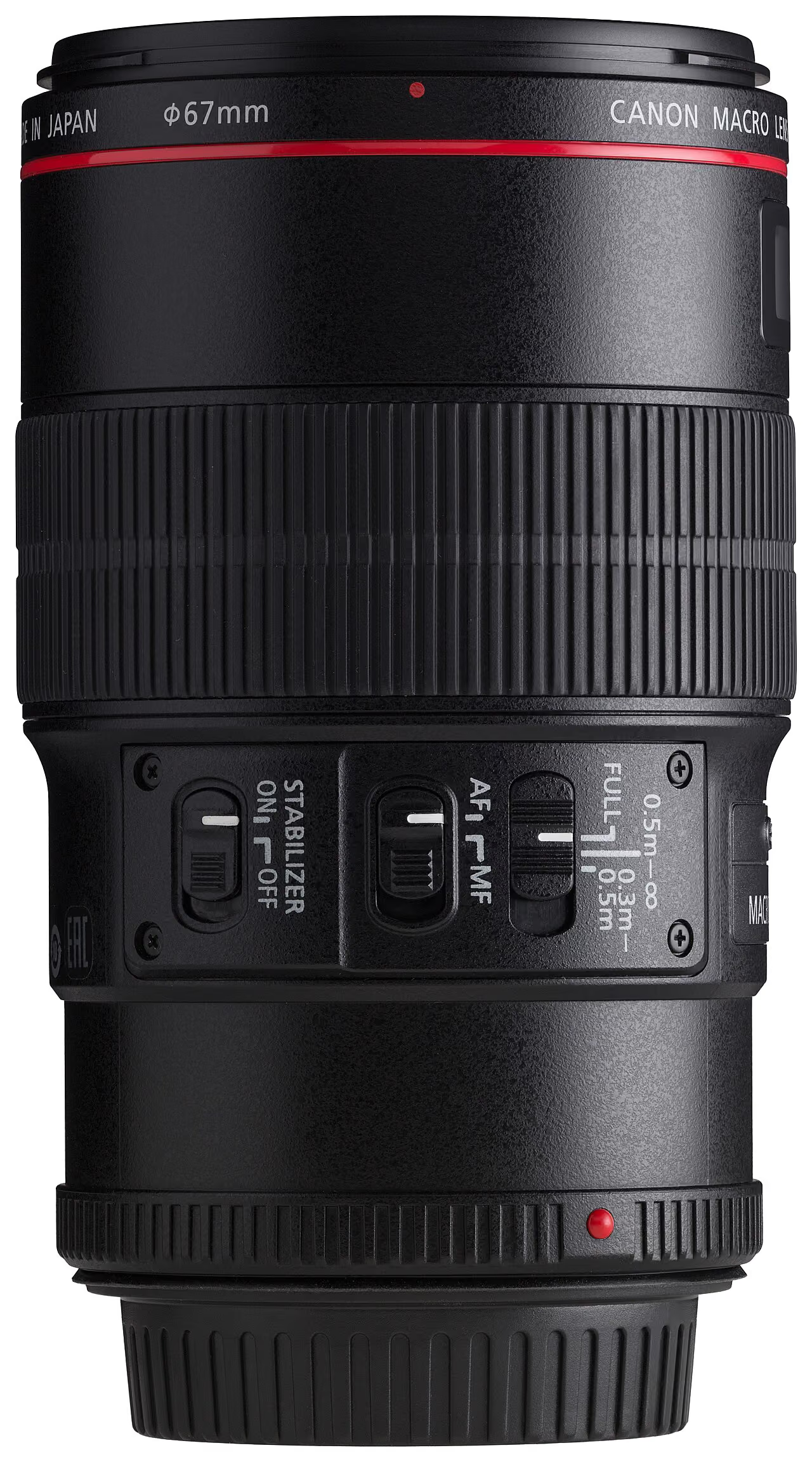





Lasers, displays, jet engines
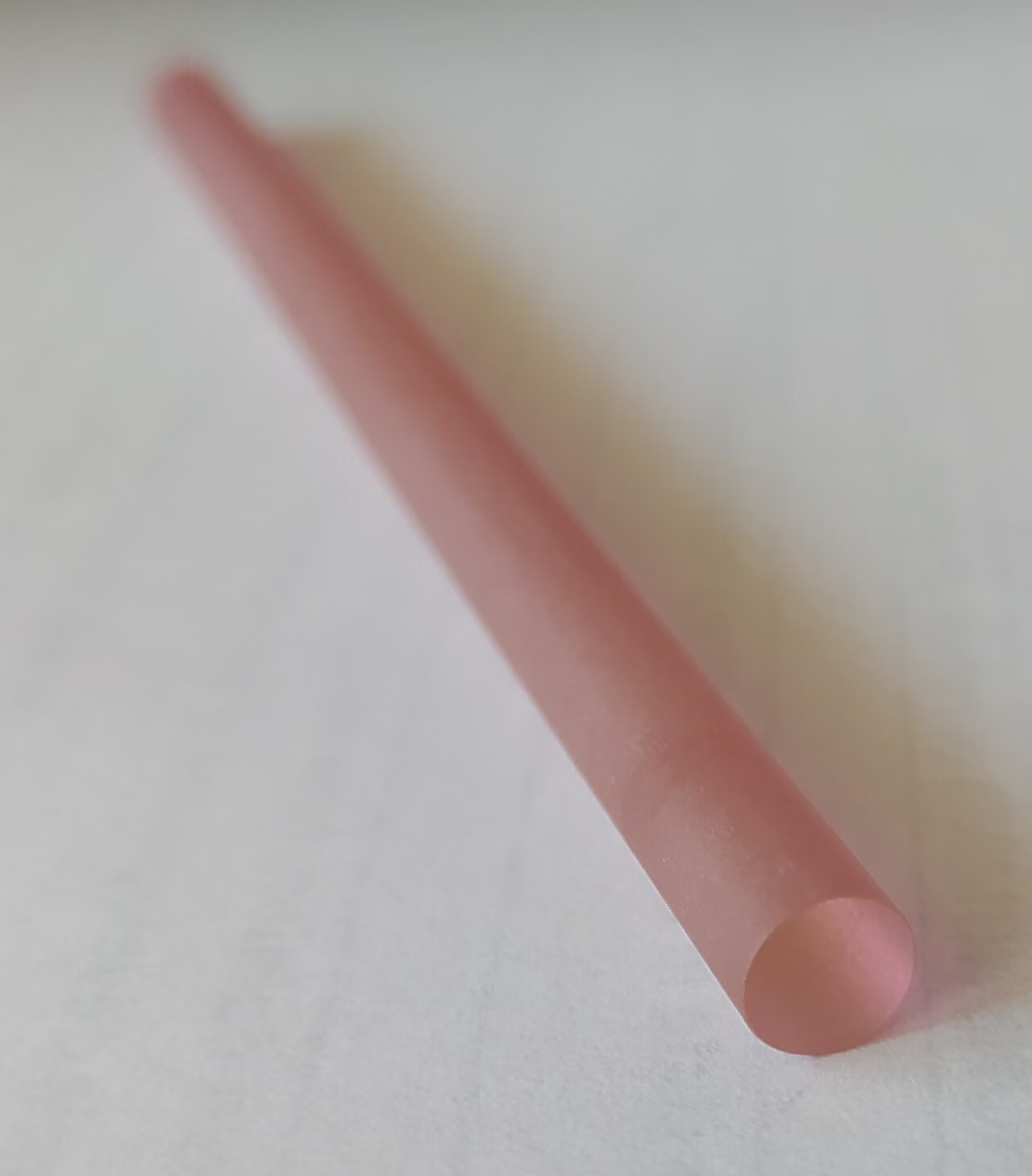
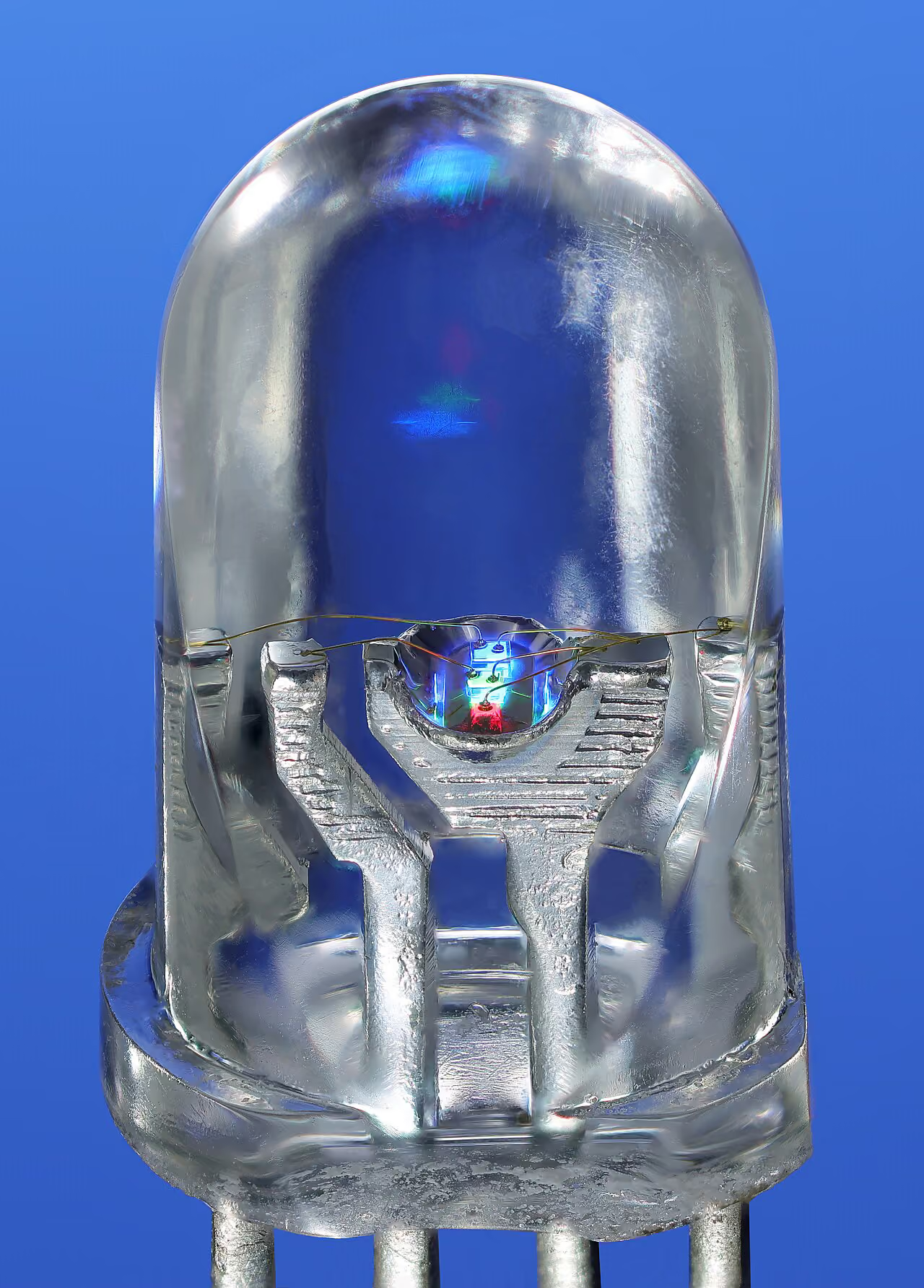



Nuclear reactors need zirconium
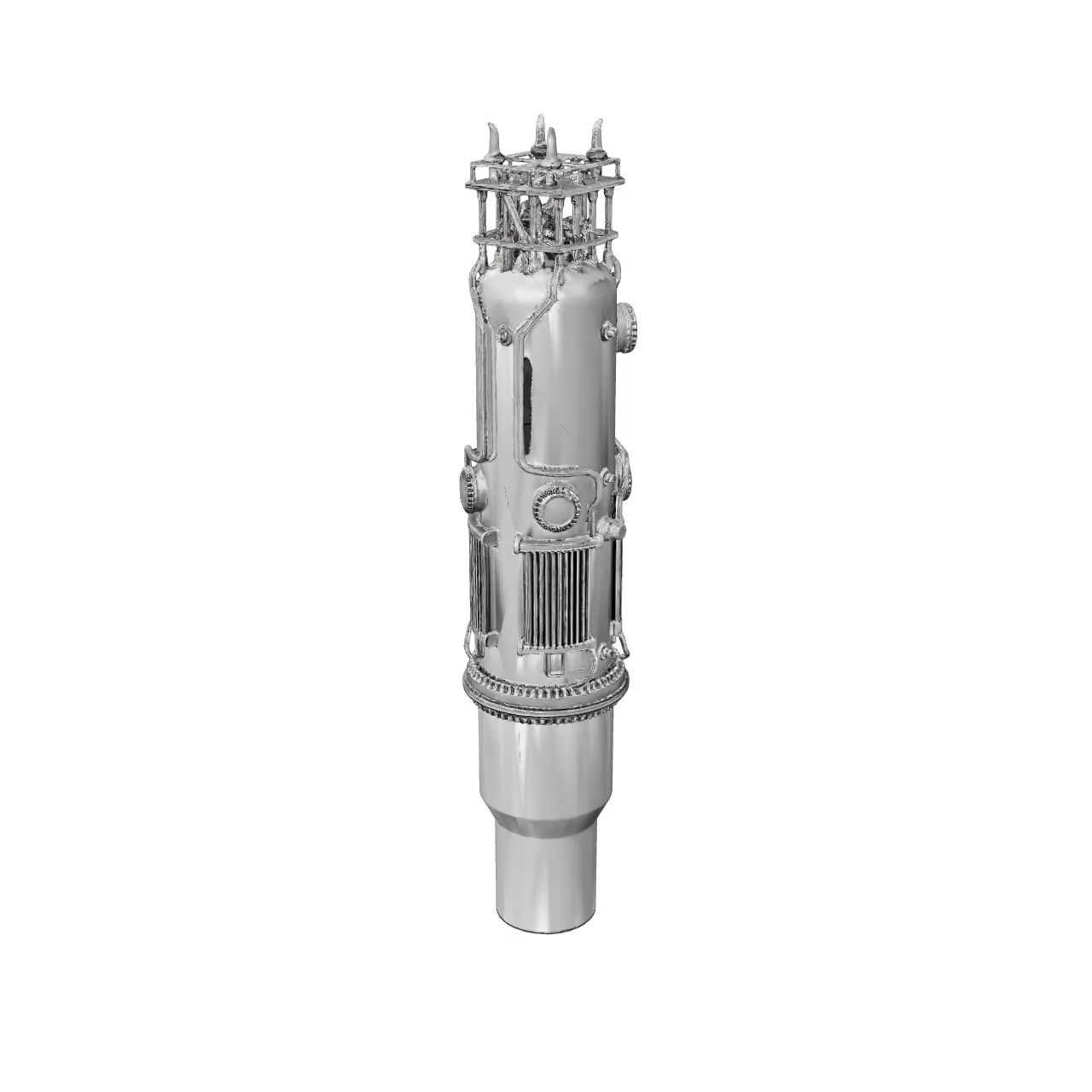




One country, Brazil, dominates


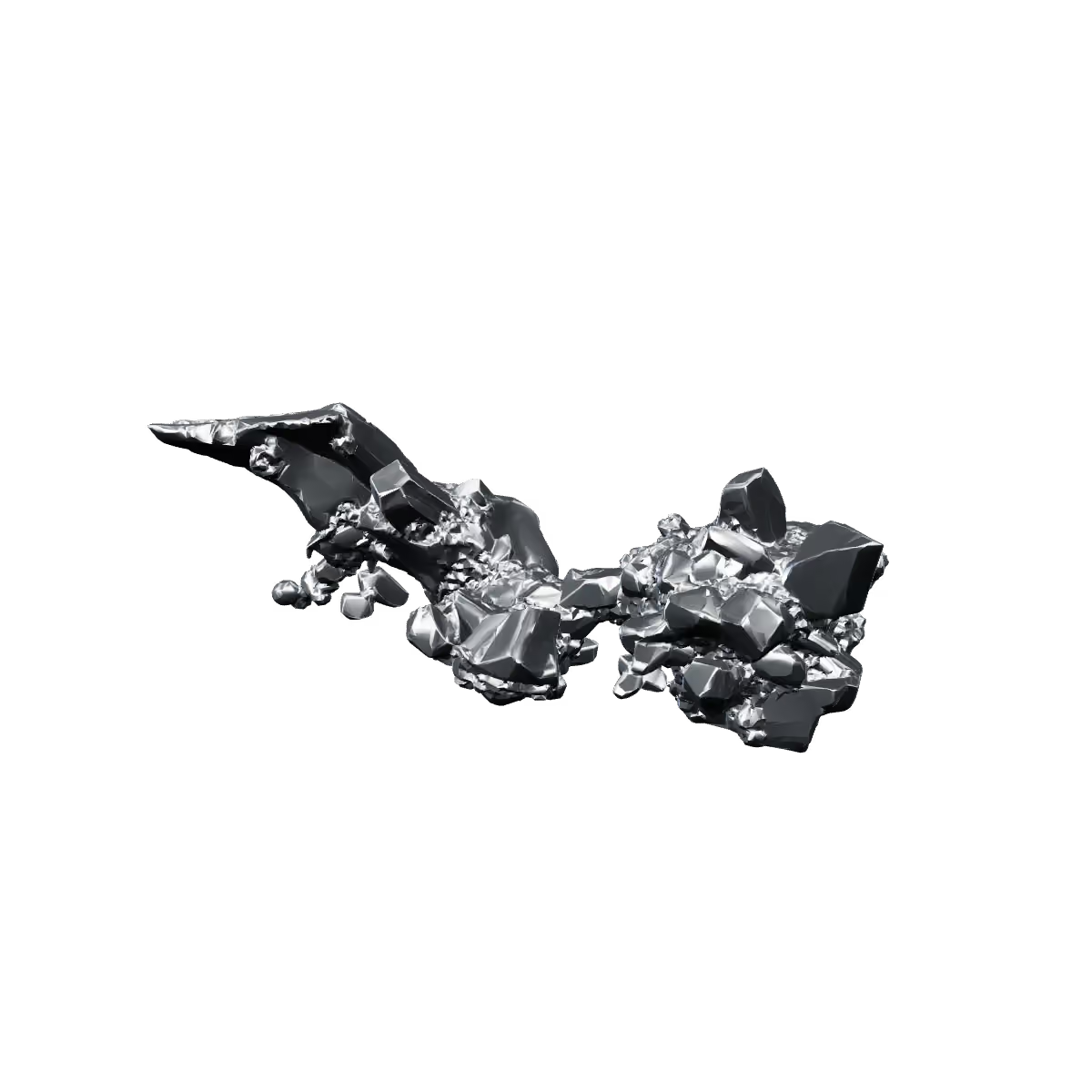
Ruthenium: the chipmaking PGM






Rhodium: scarcest emissions catalyst
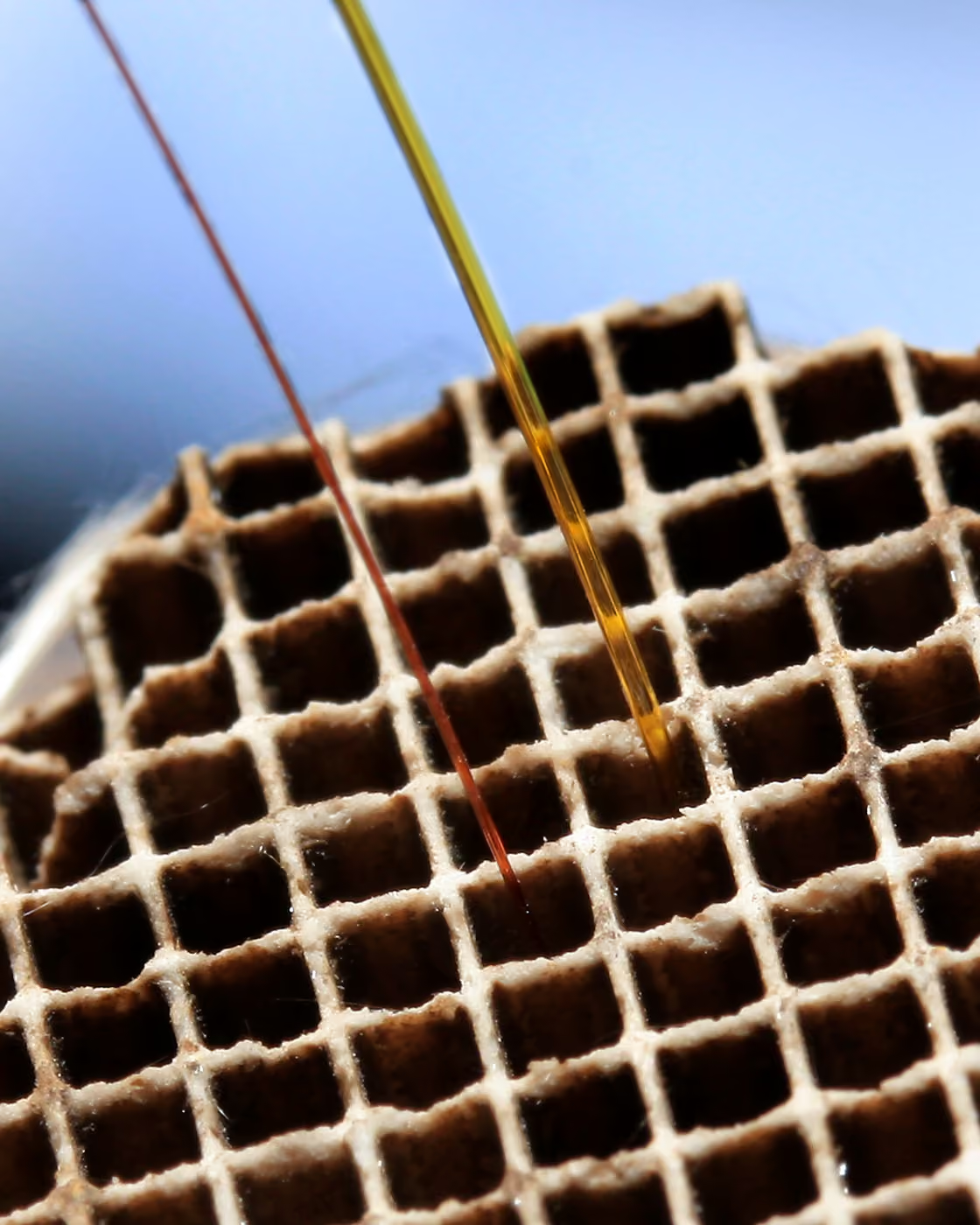




Palladium: emissions and electronics metal



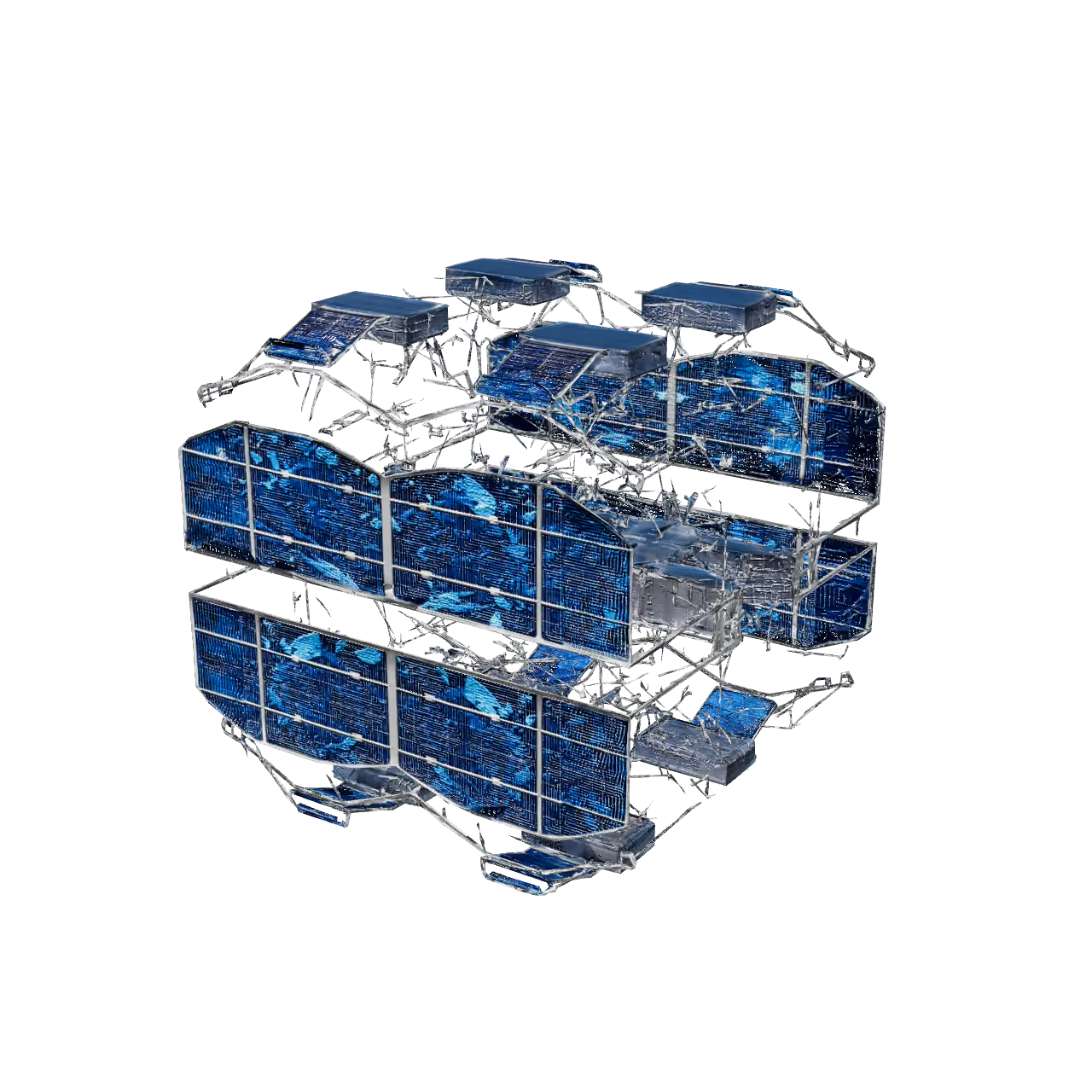
Solar boom's hungriest metal




Every touchscreen depends on it

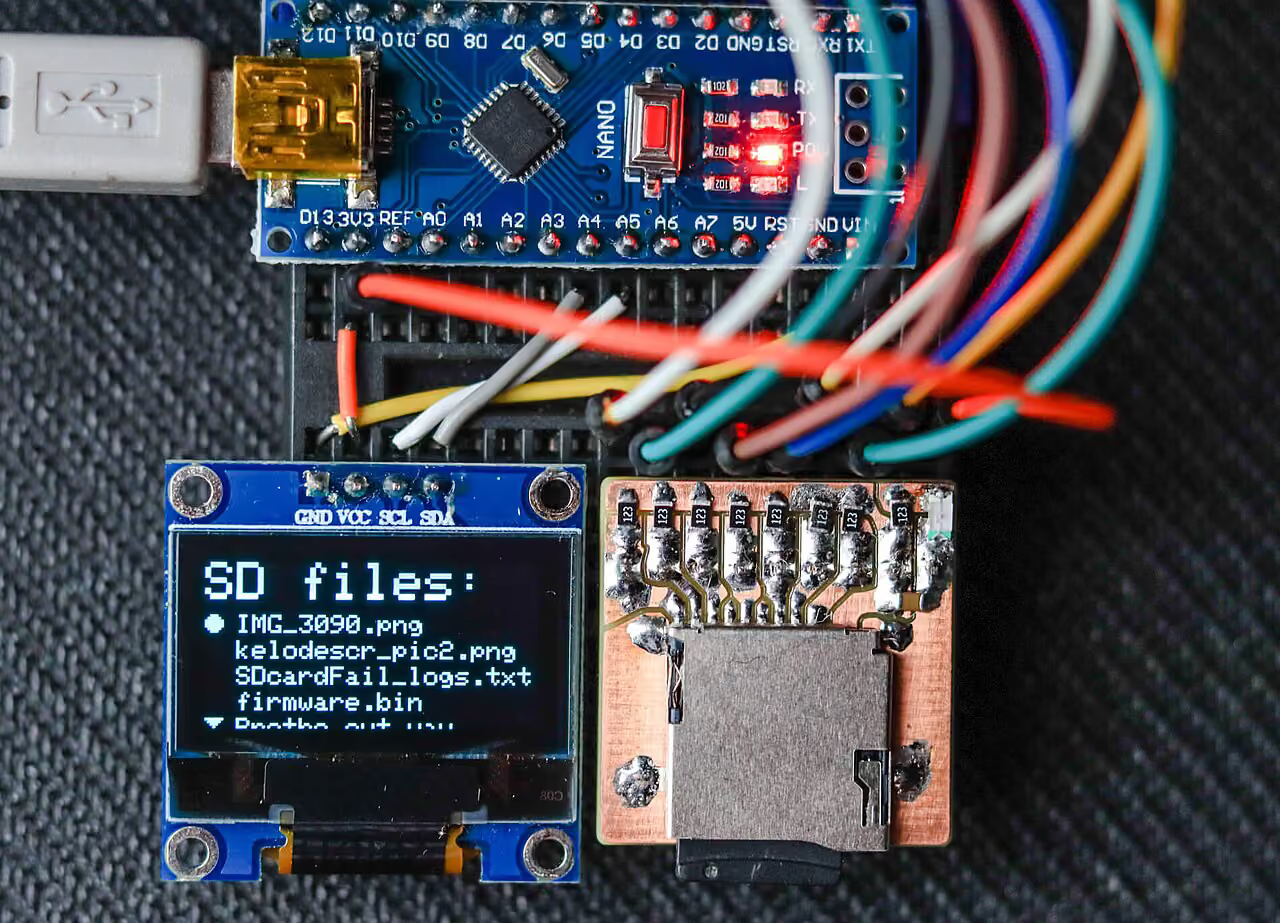


The solder holding electronics together





Flame retardant for all electronics
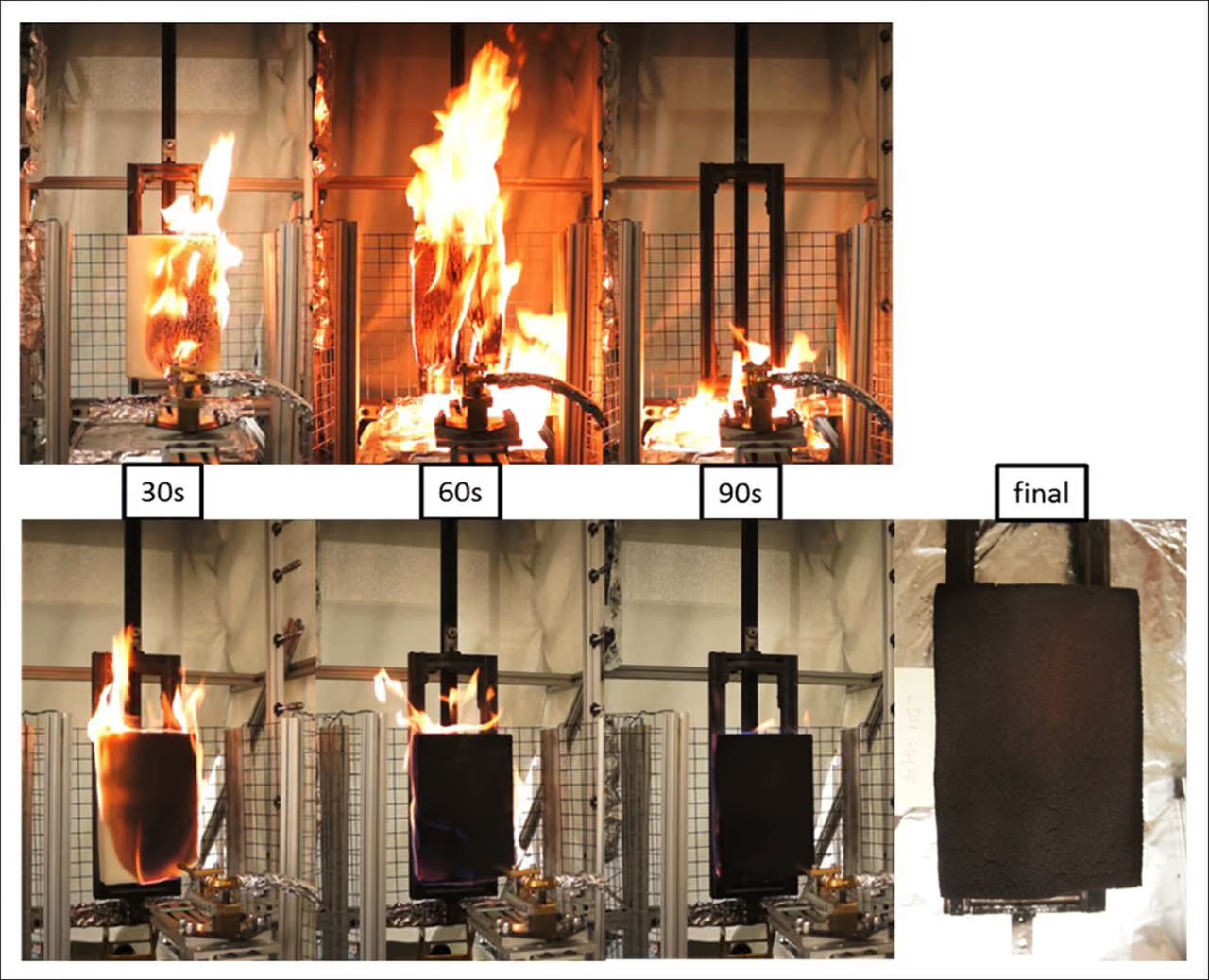

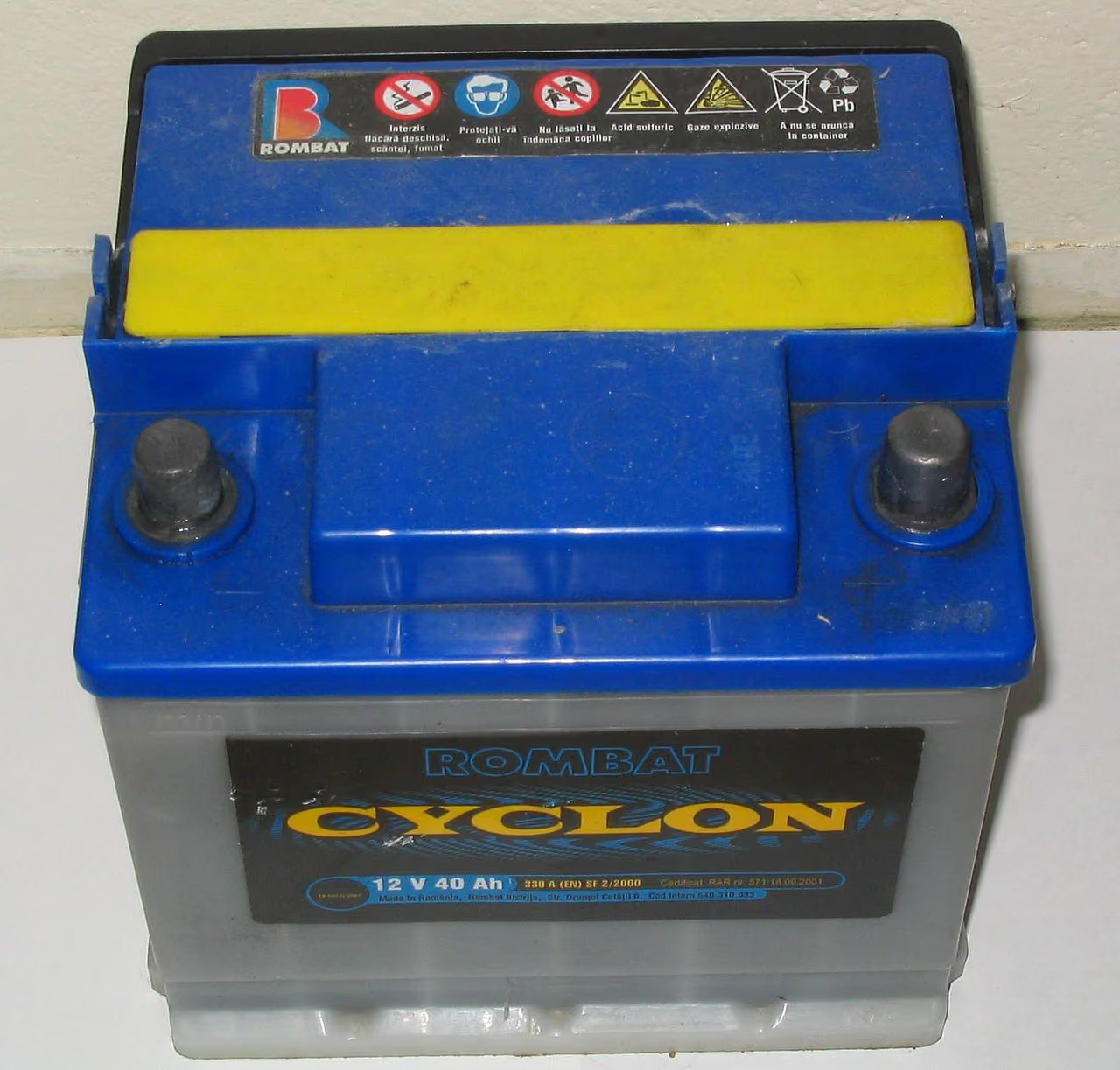


Powers America's biggest solar maker
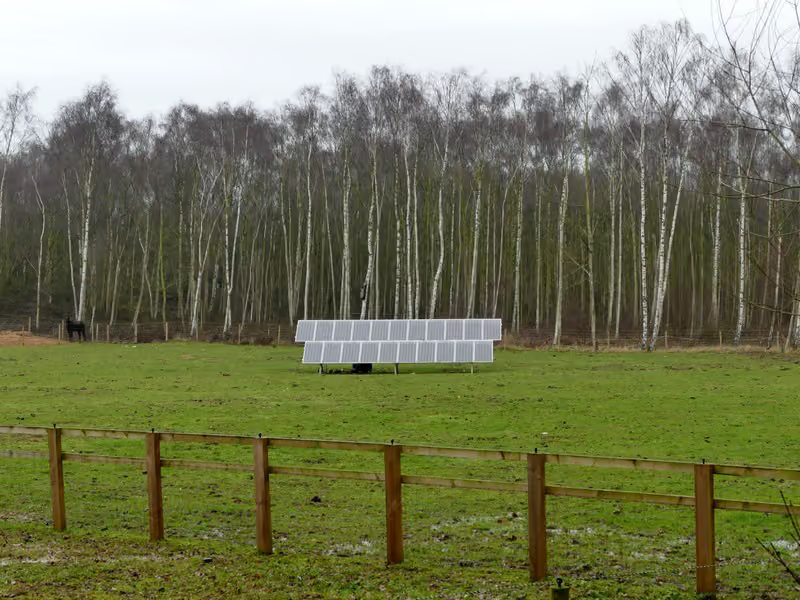





Heartbeat of GPS and time

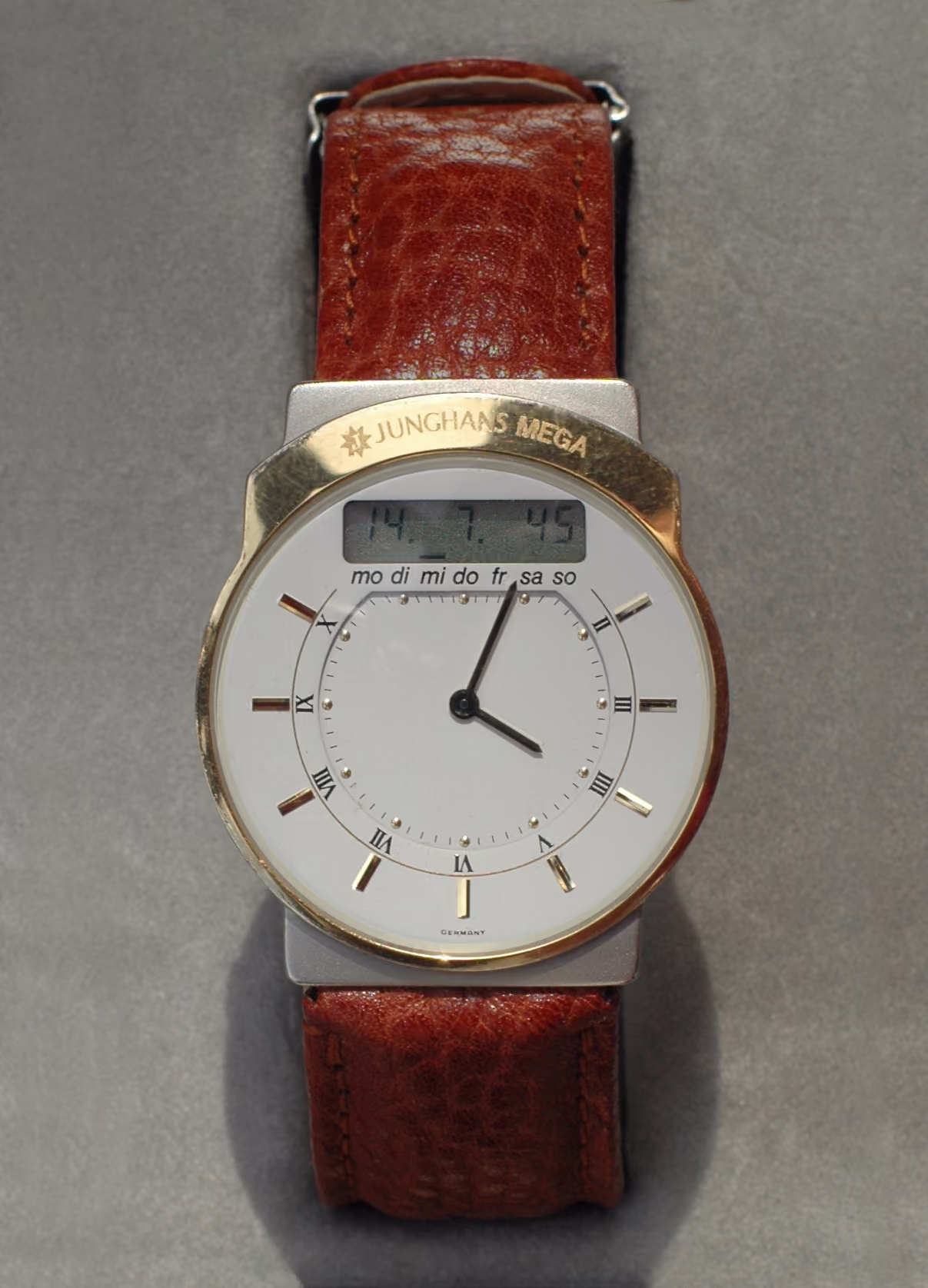
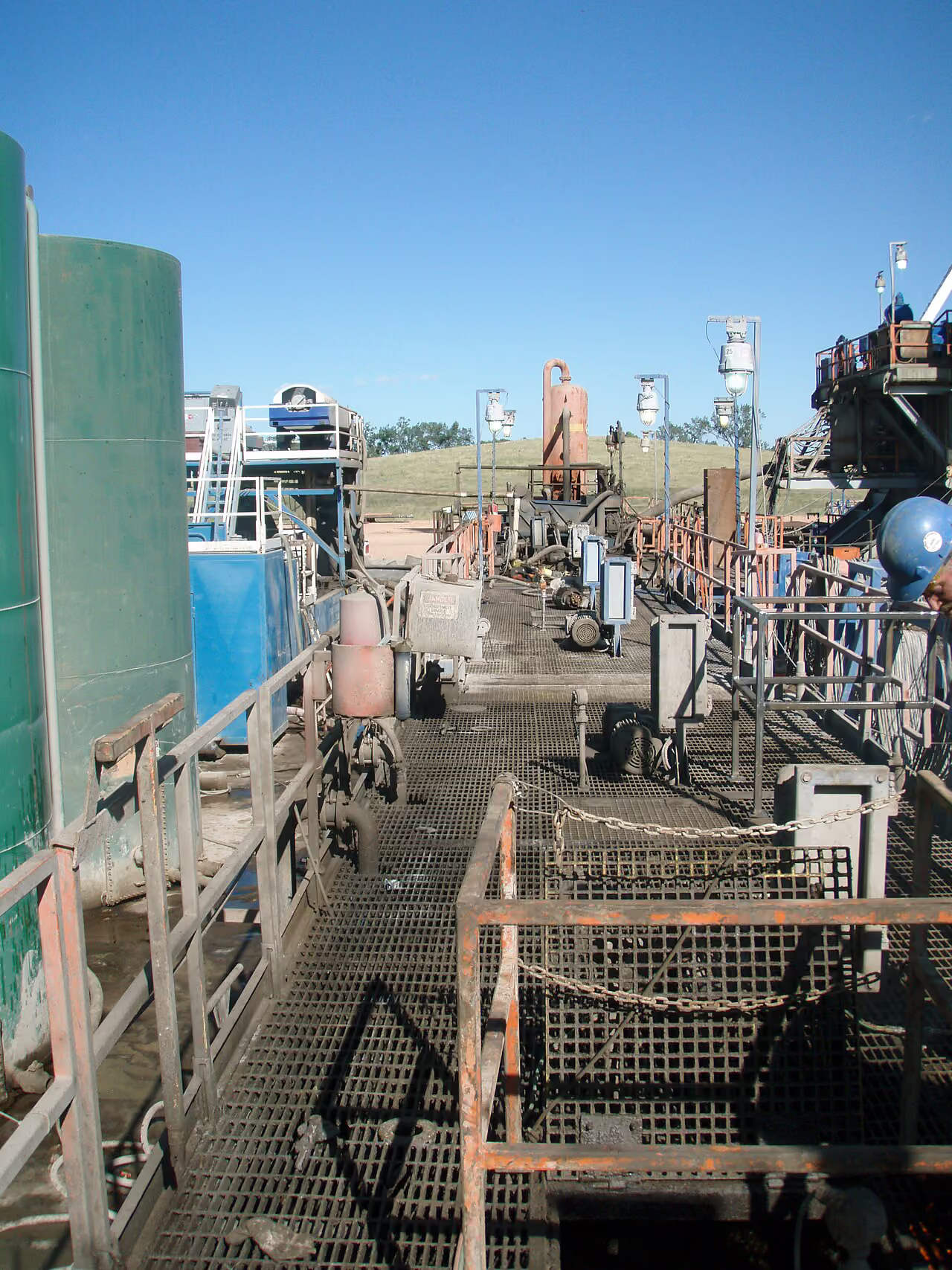

Drilling mud to ceramic capacitors



Hybrid batteries and refining catalysts


Polishing chips, cleaning emissions


Magnets for EVs and wind



The magnet behind electrification
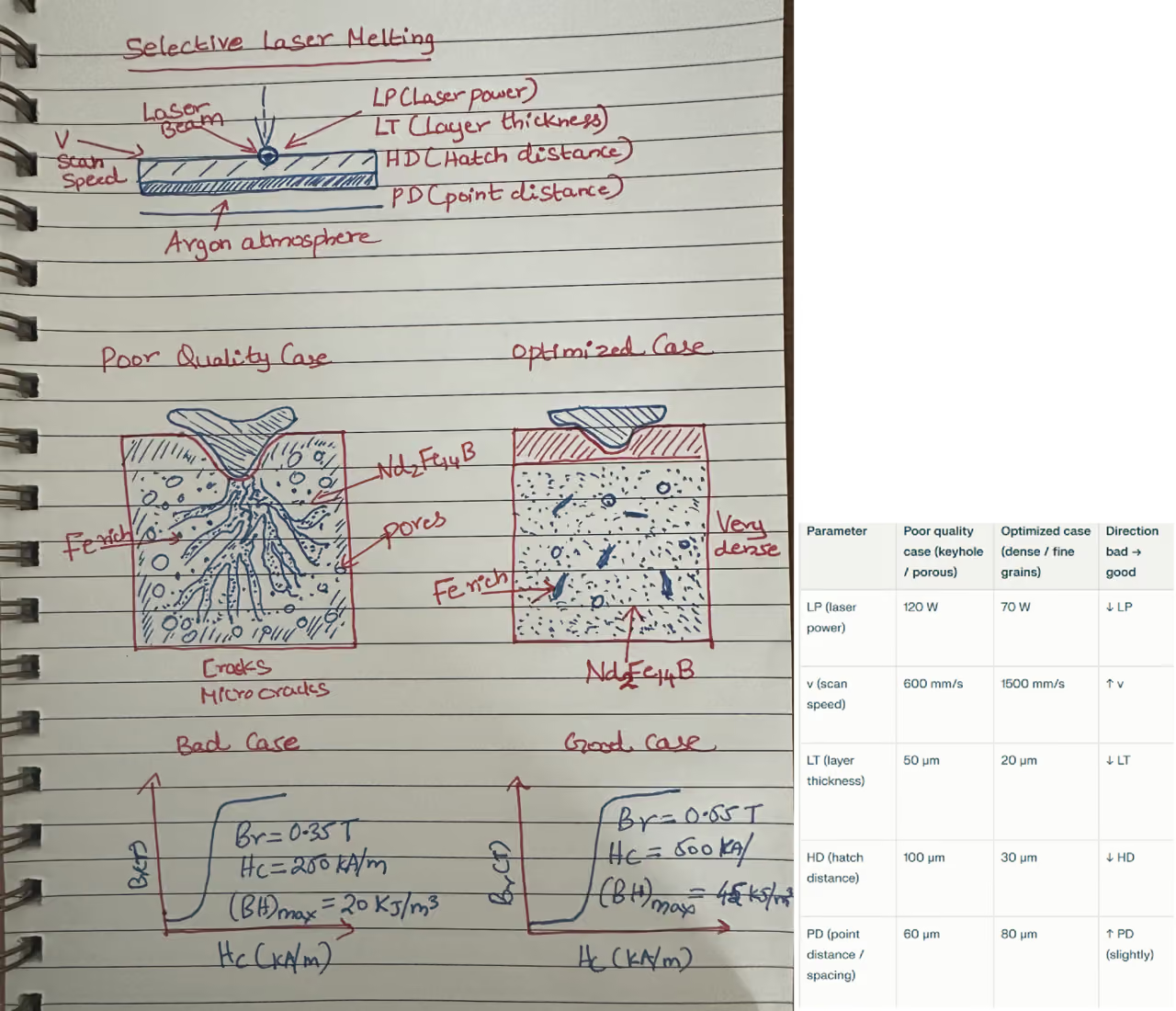


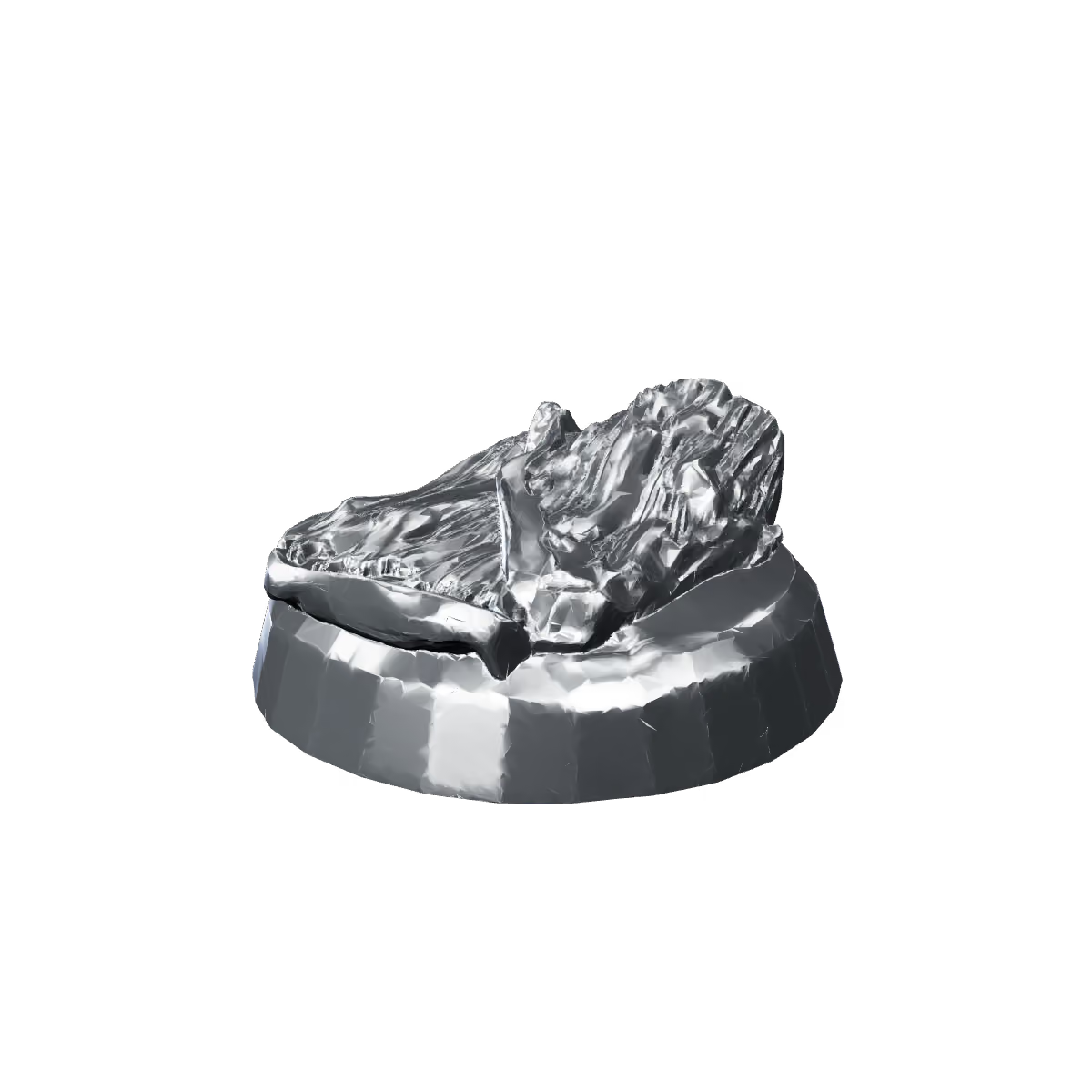
Magnets that survive extreme heat

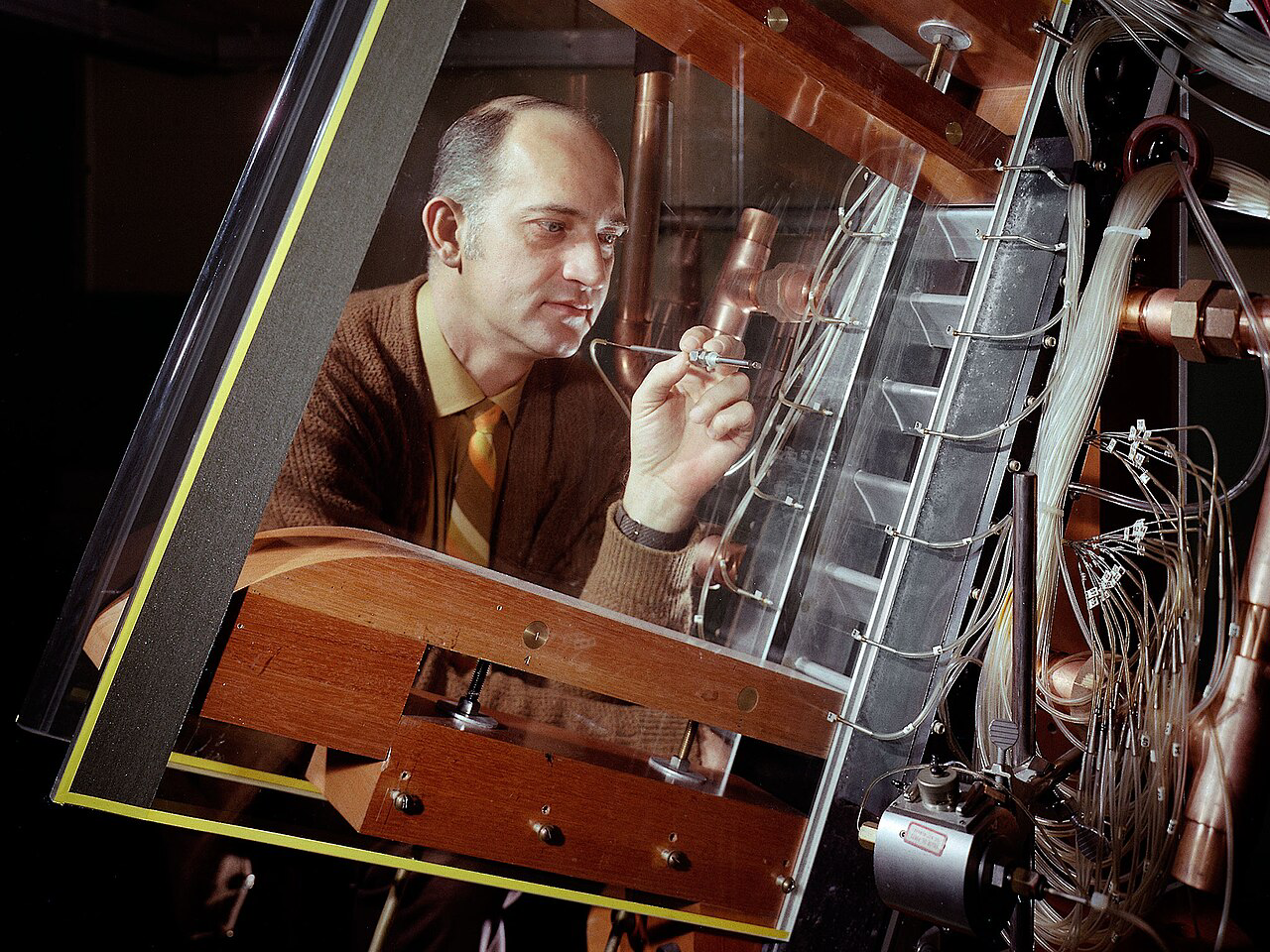


Europium lights up displays


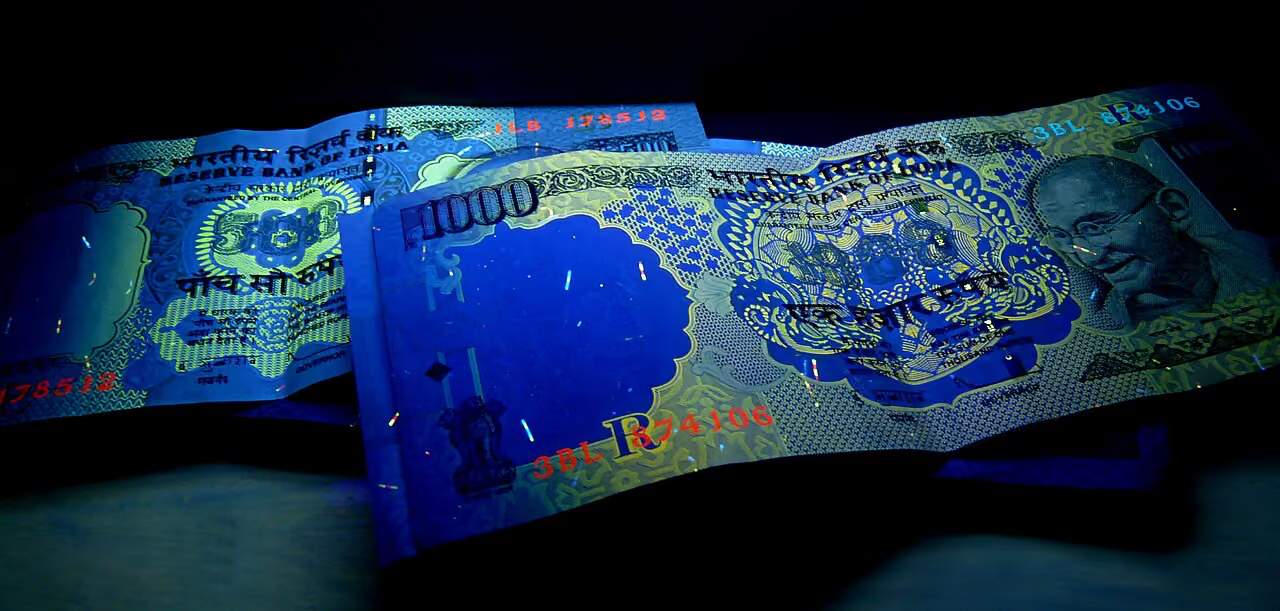


Gadolinium enables MRI scans




Terbium toughens EV magnets



Dysprosium drives EV motors

Holmium powers surgical lasers




Erbium amplifies the internet

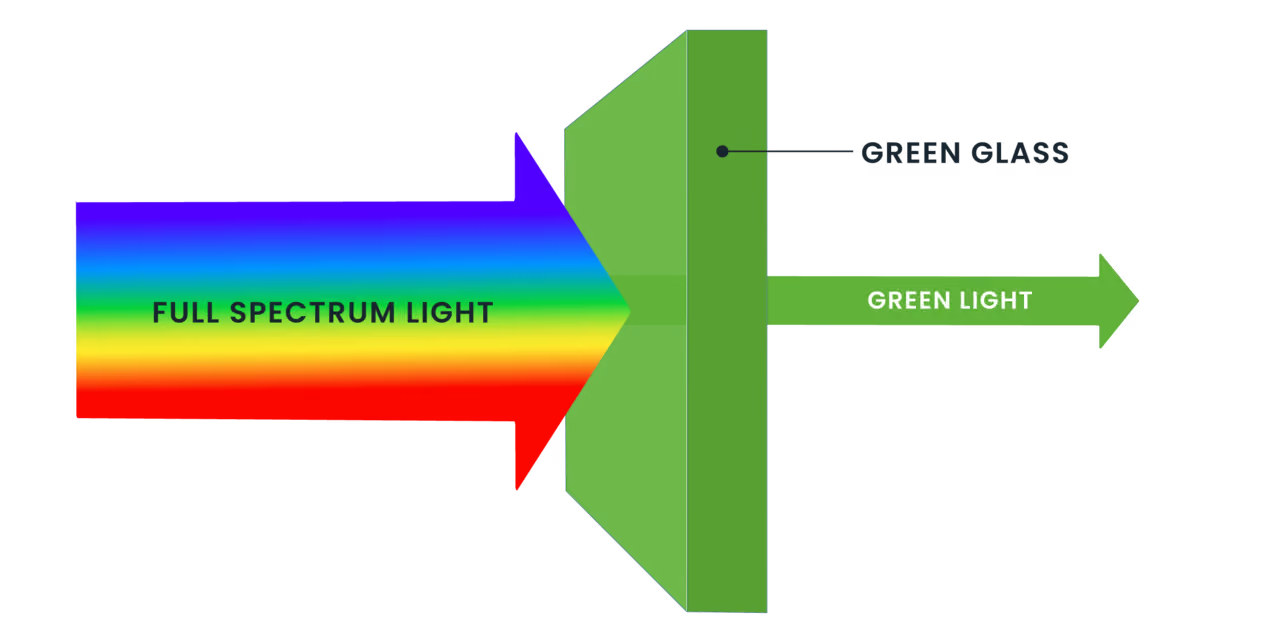



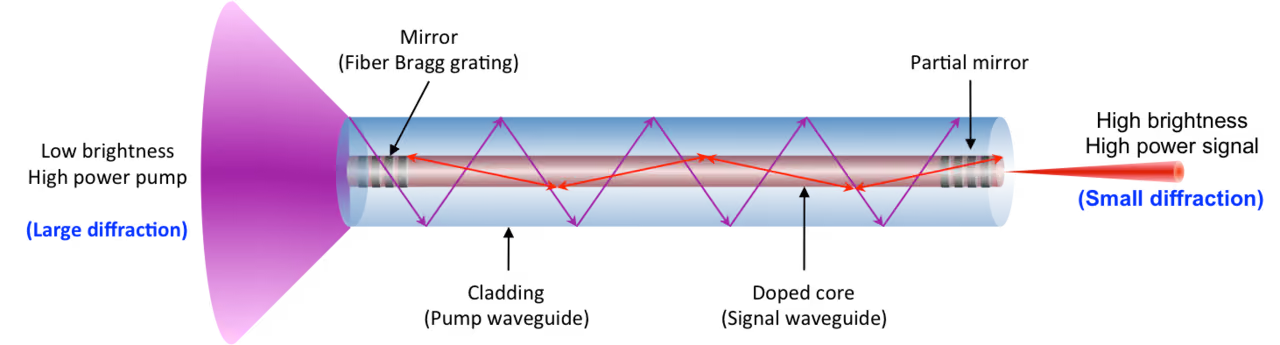
Thulium fuels fiber lasers



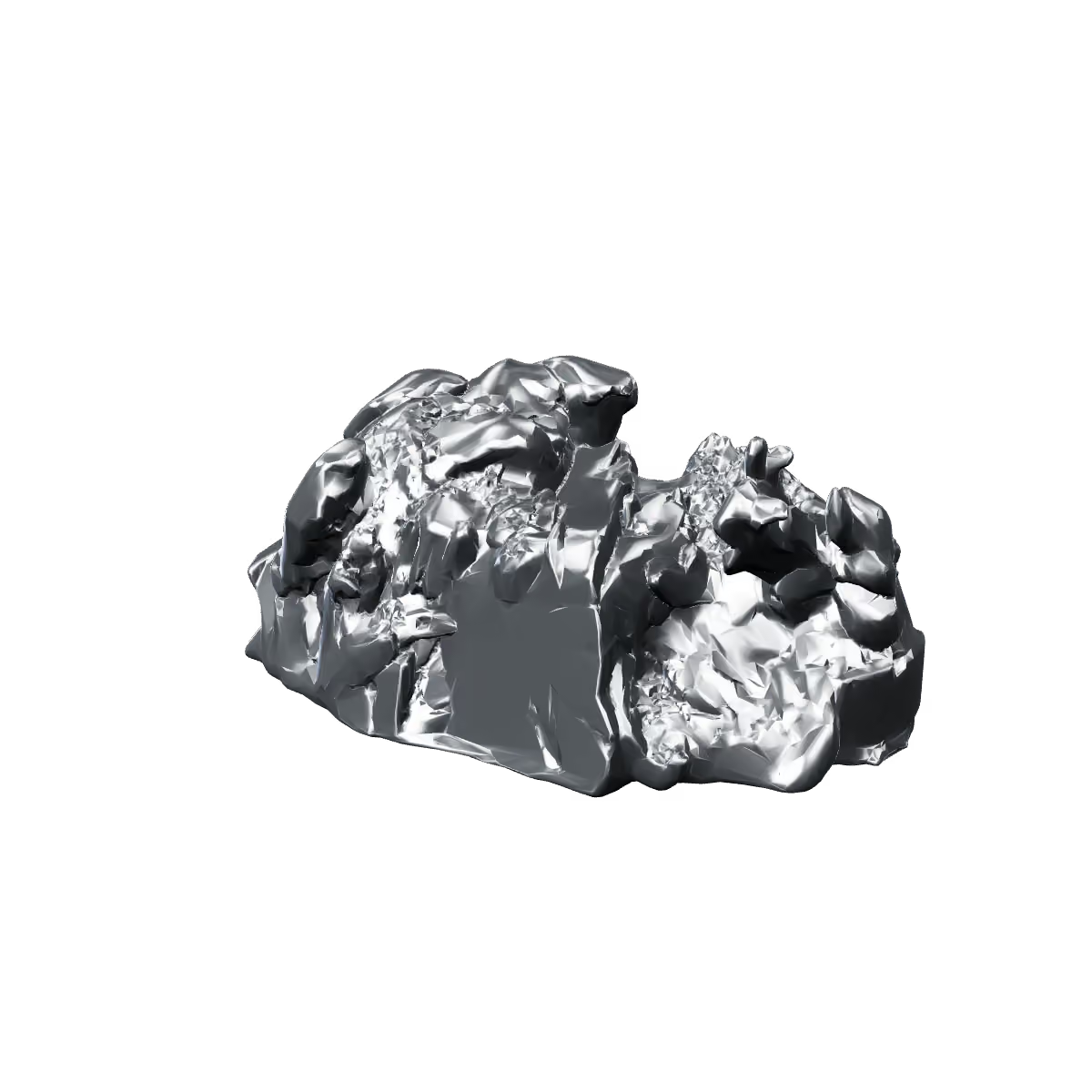
Ytterbium powers industrial lasers




Lutetium enables PET imaging



Hidden in chips and engines
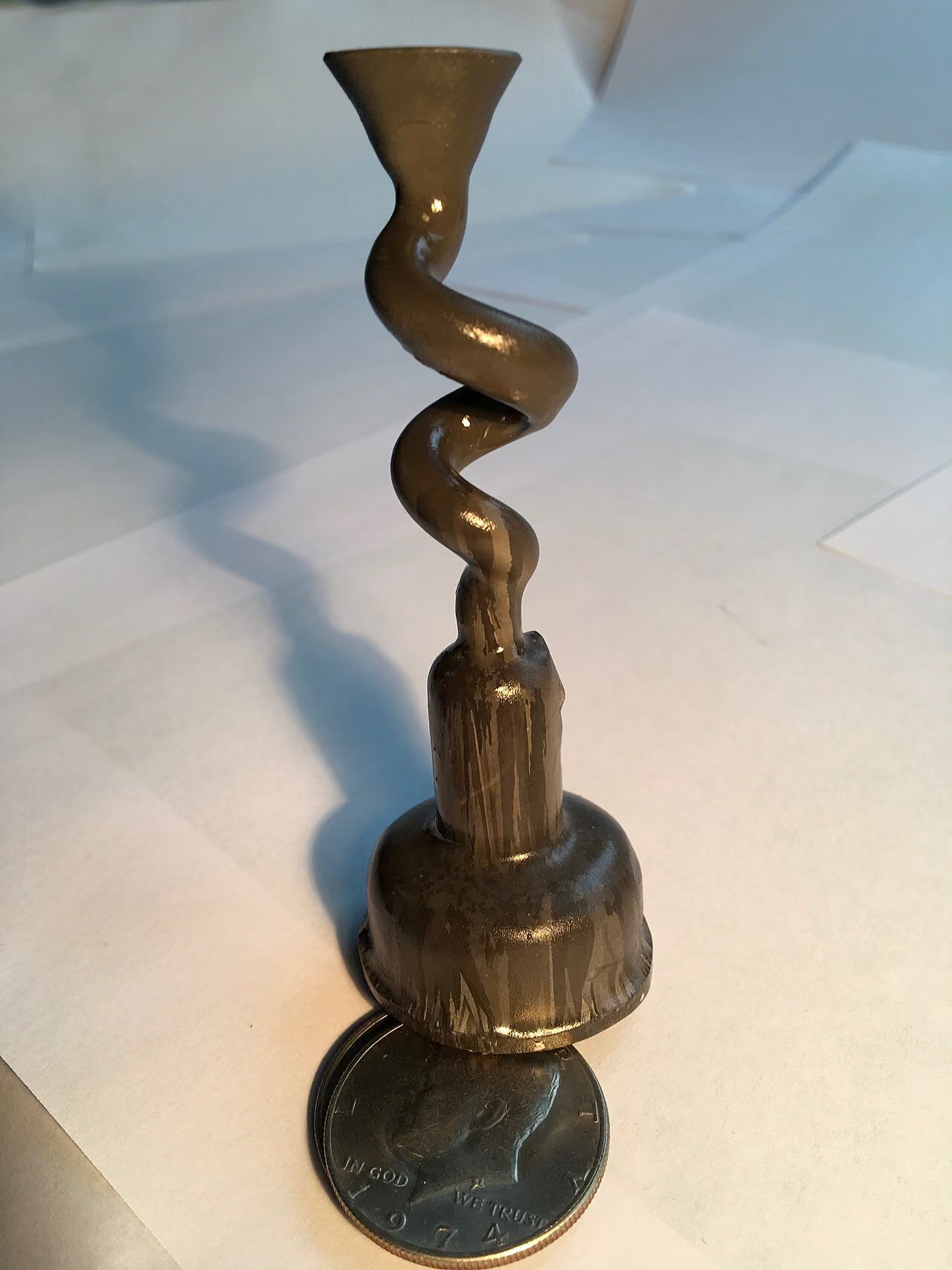
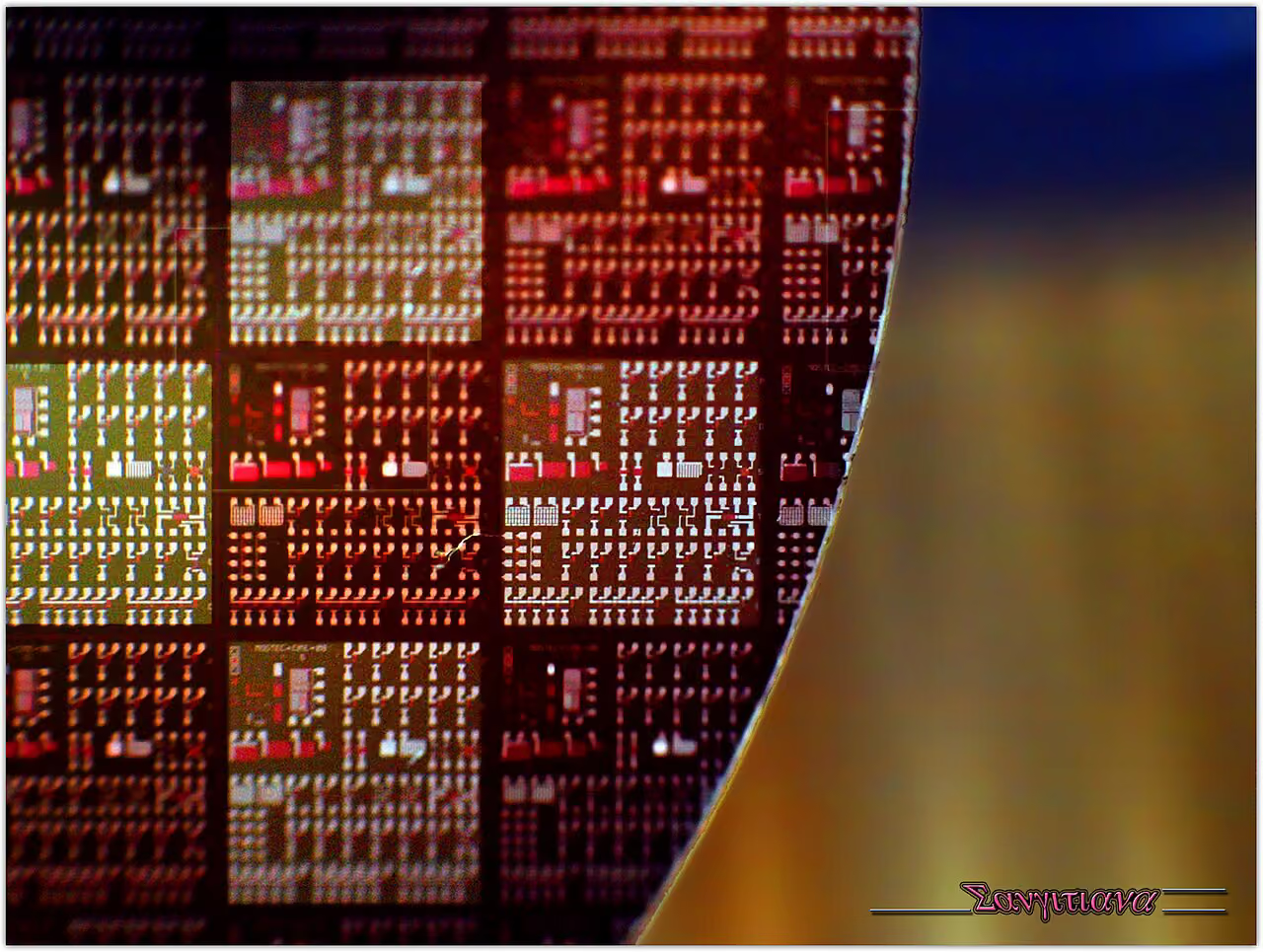


Every phone needs tantalum


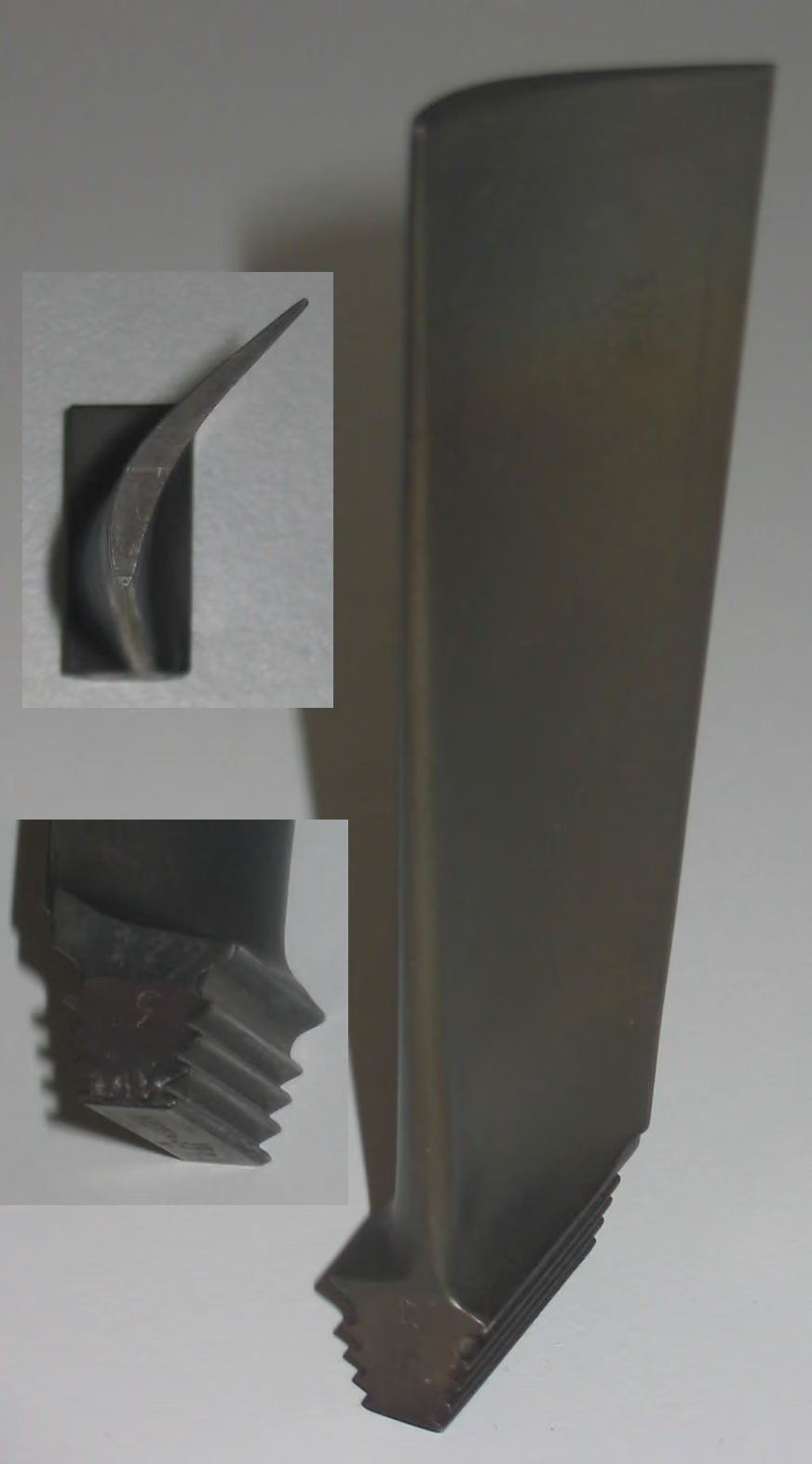


The hardest-working metal in industry
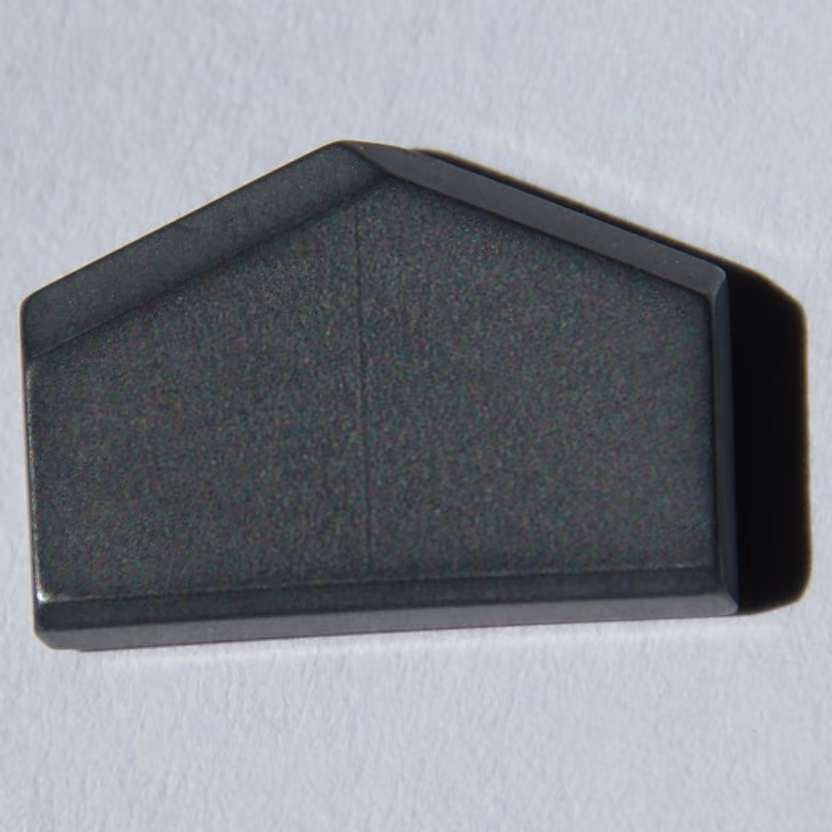


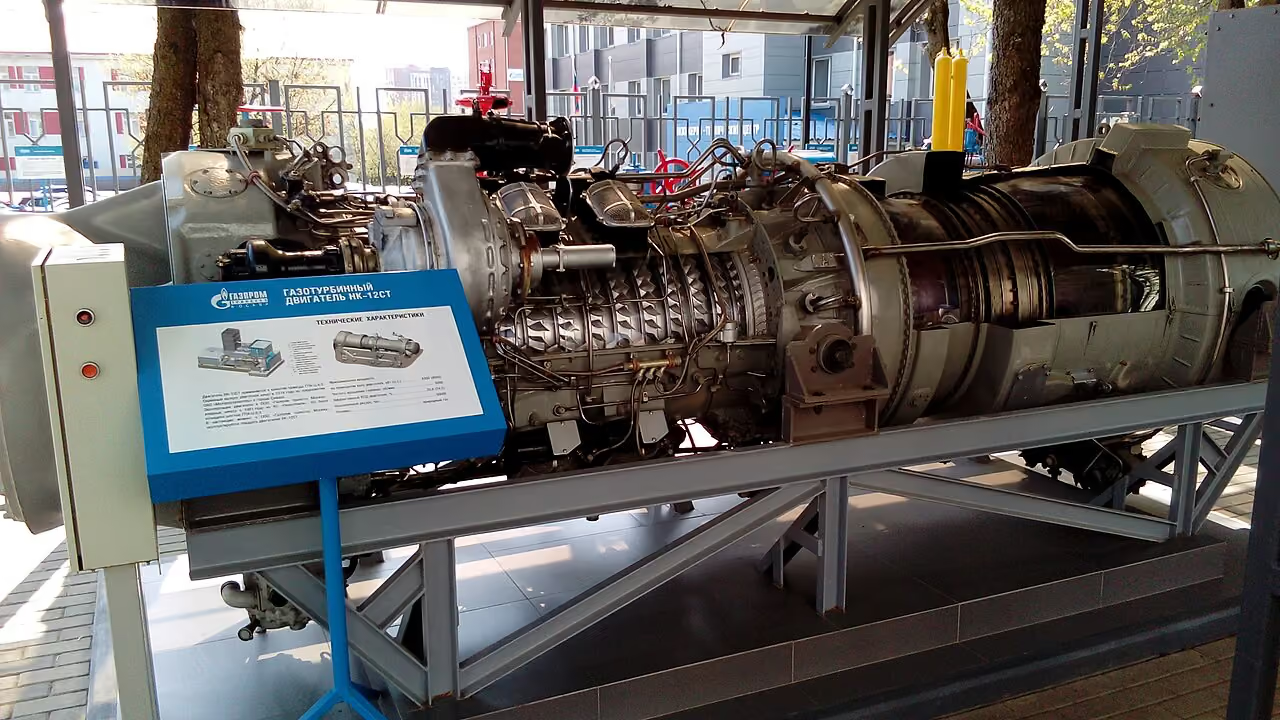
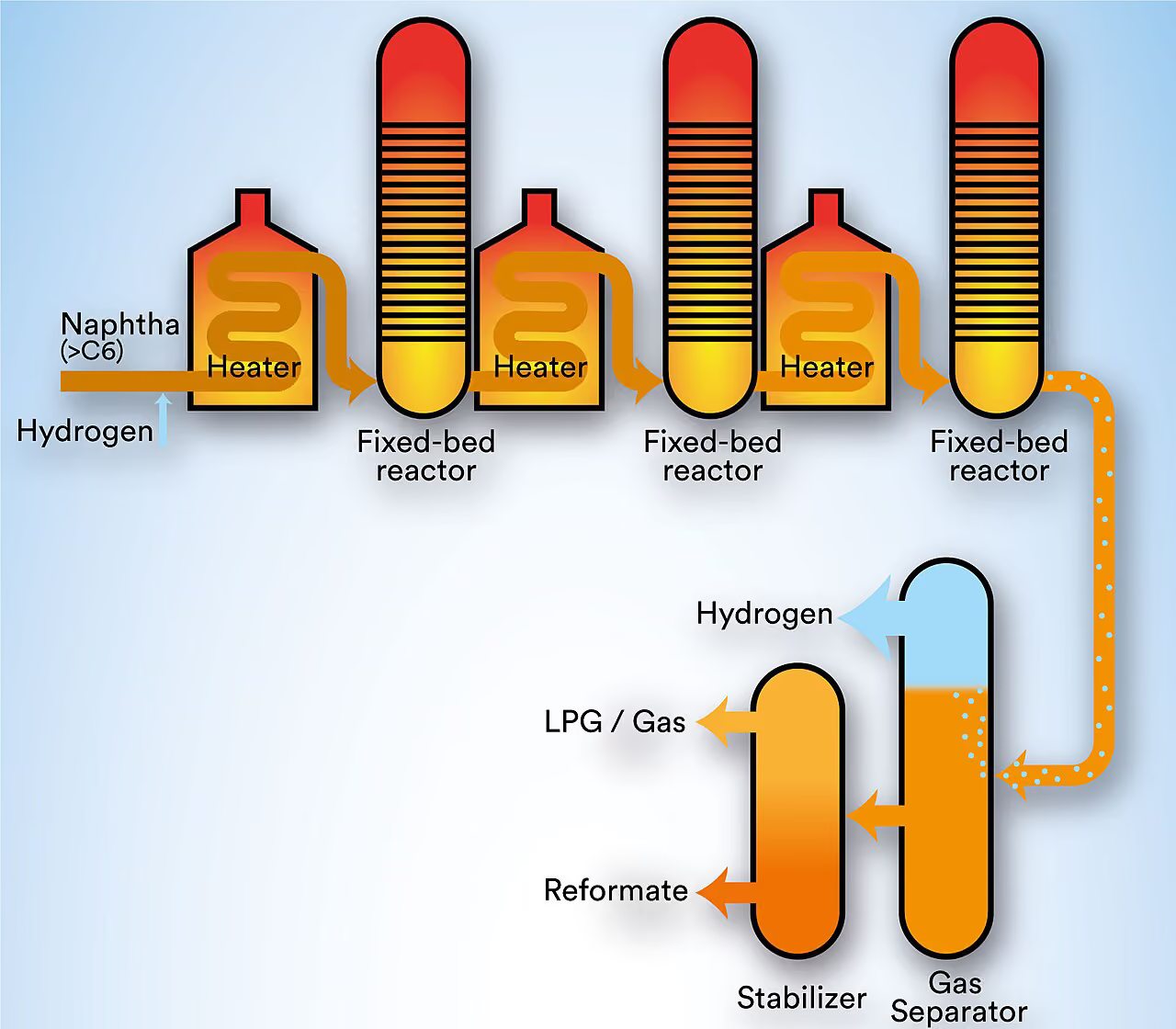
Hottest engines burn rhenium




Osmium: rarest of platinum group




Iridium: green hydrogen bottleneck




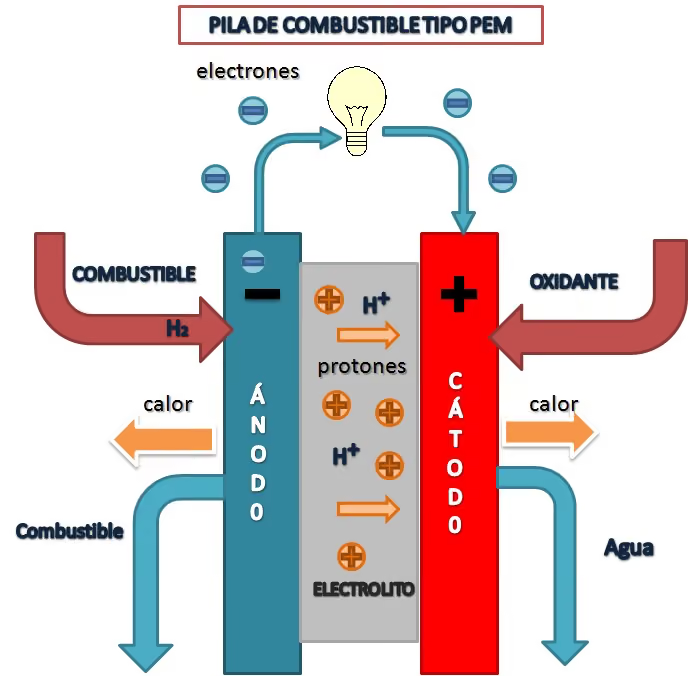
Platinum: hydrogen economy linchpin
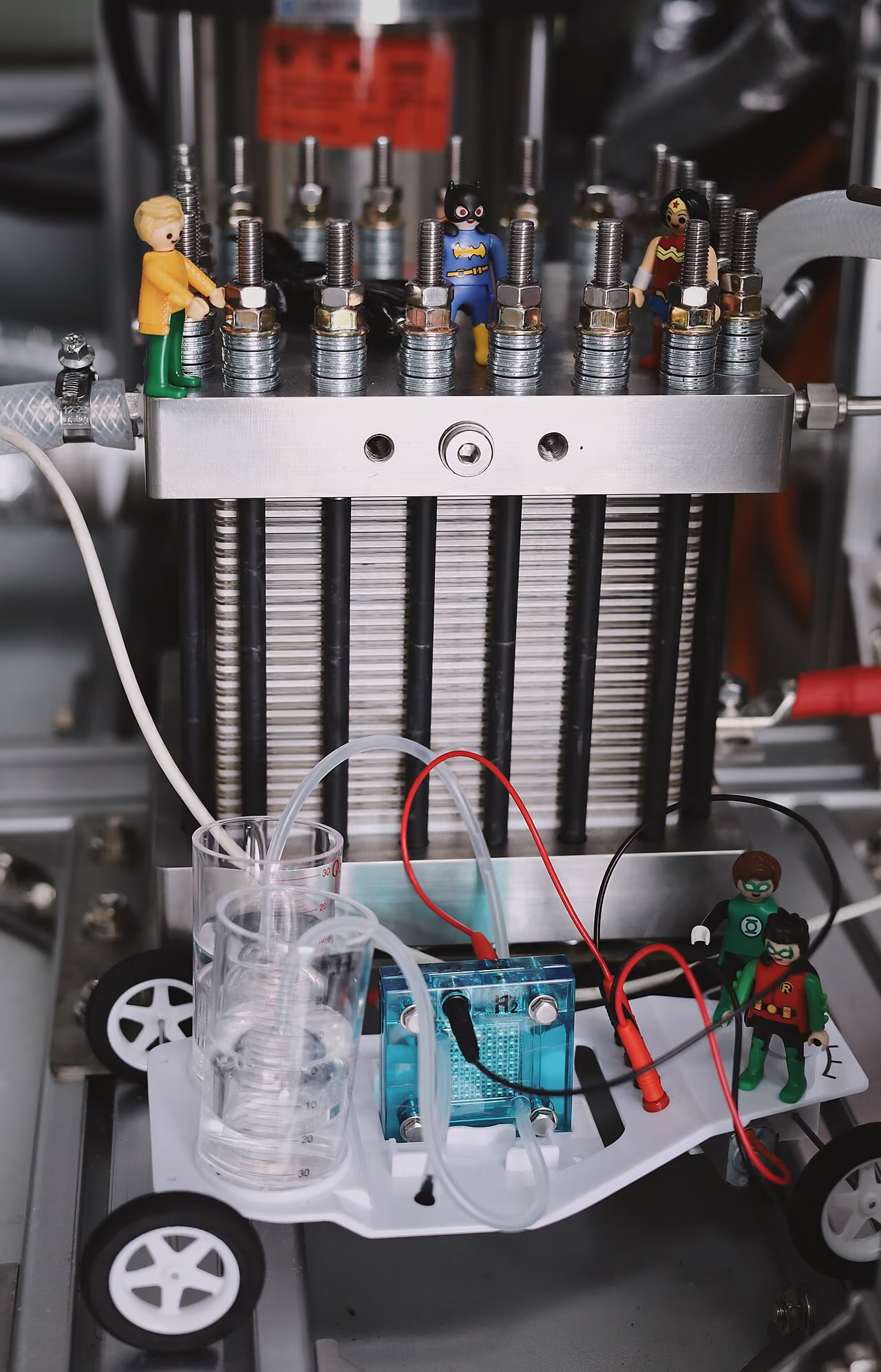
Inside every chip and satellite
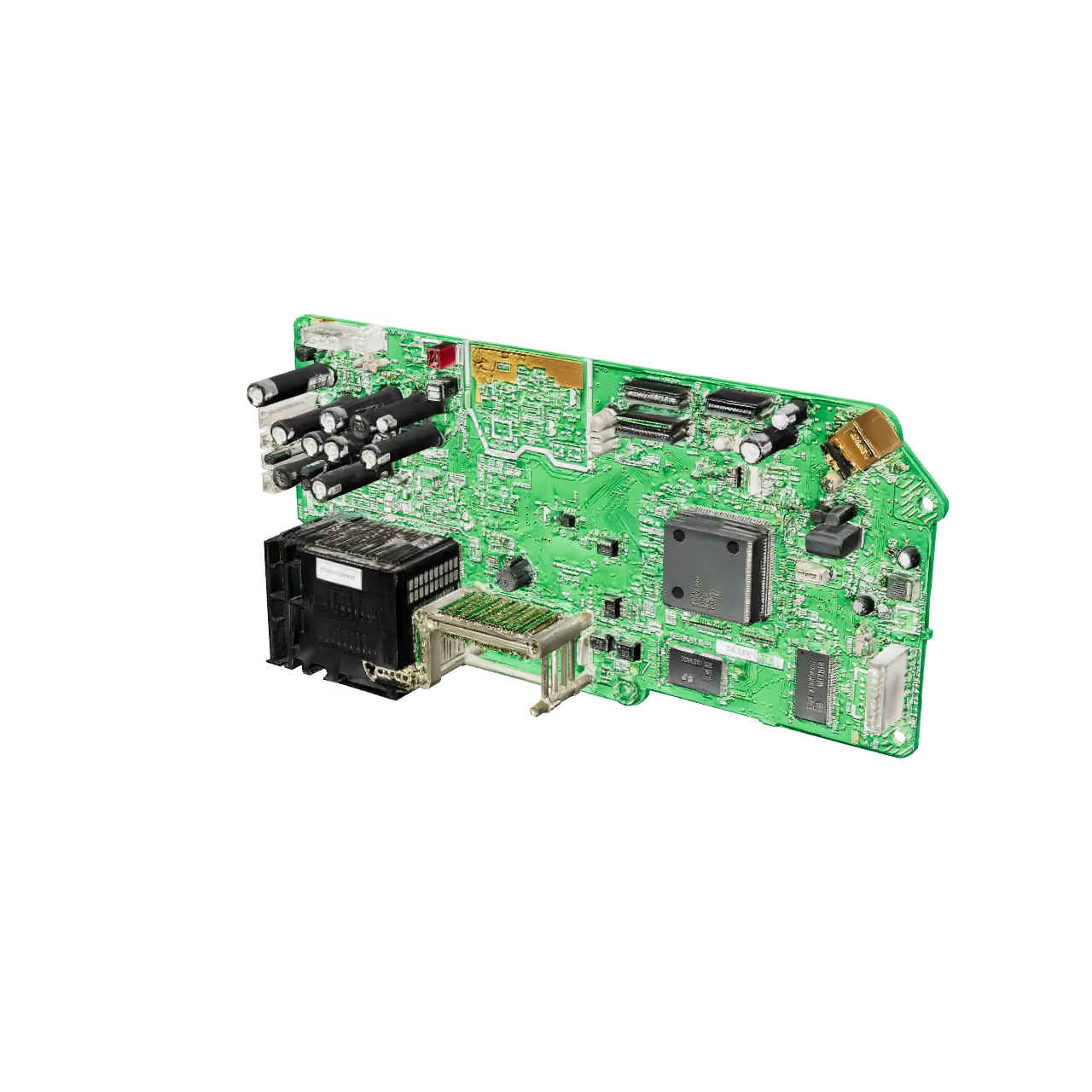


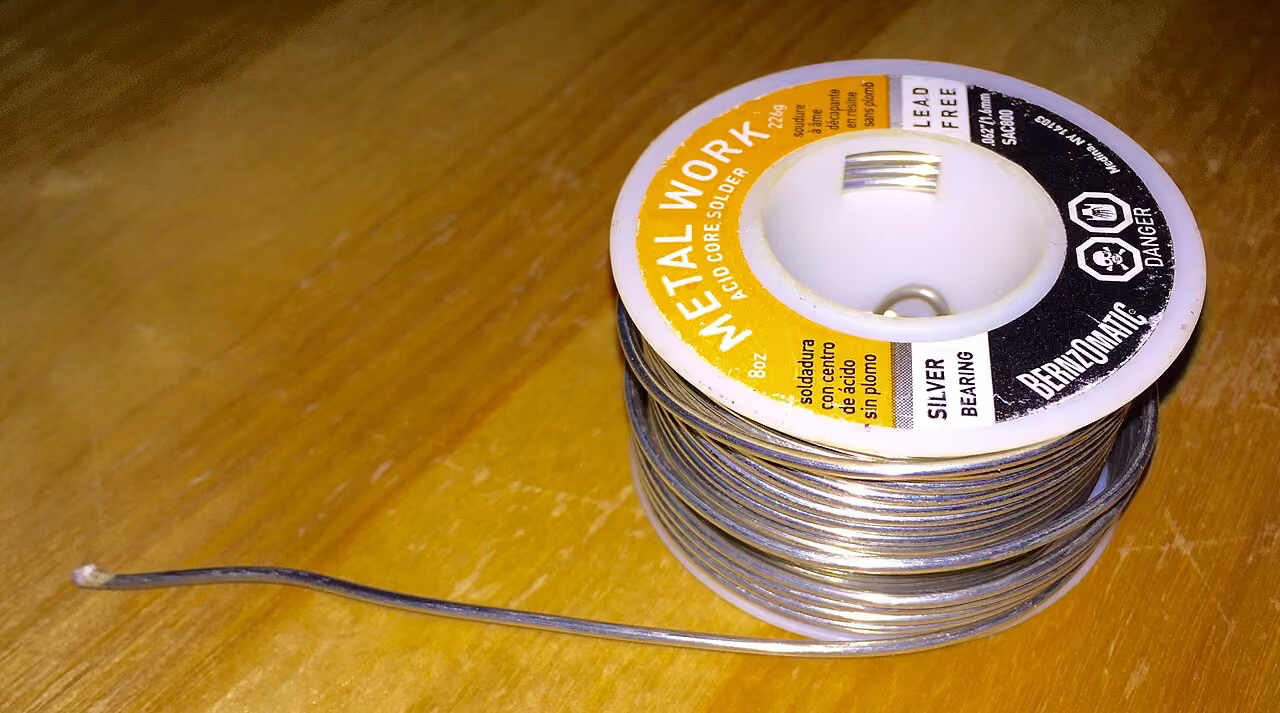
Green solder and pink medicine
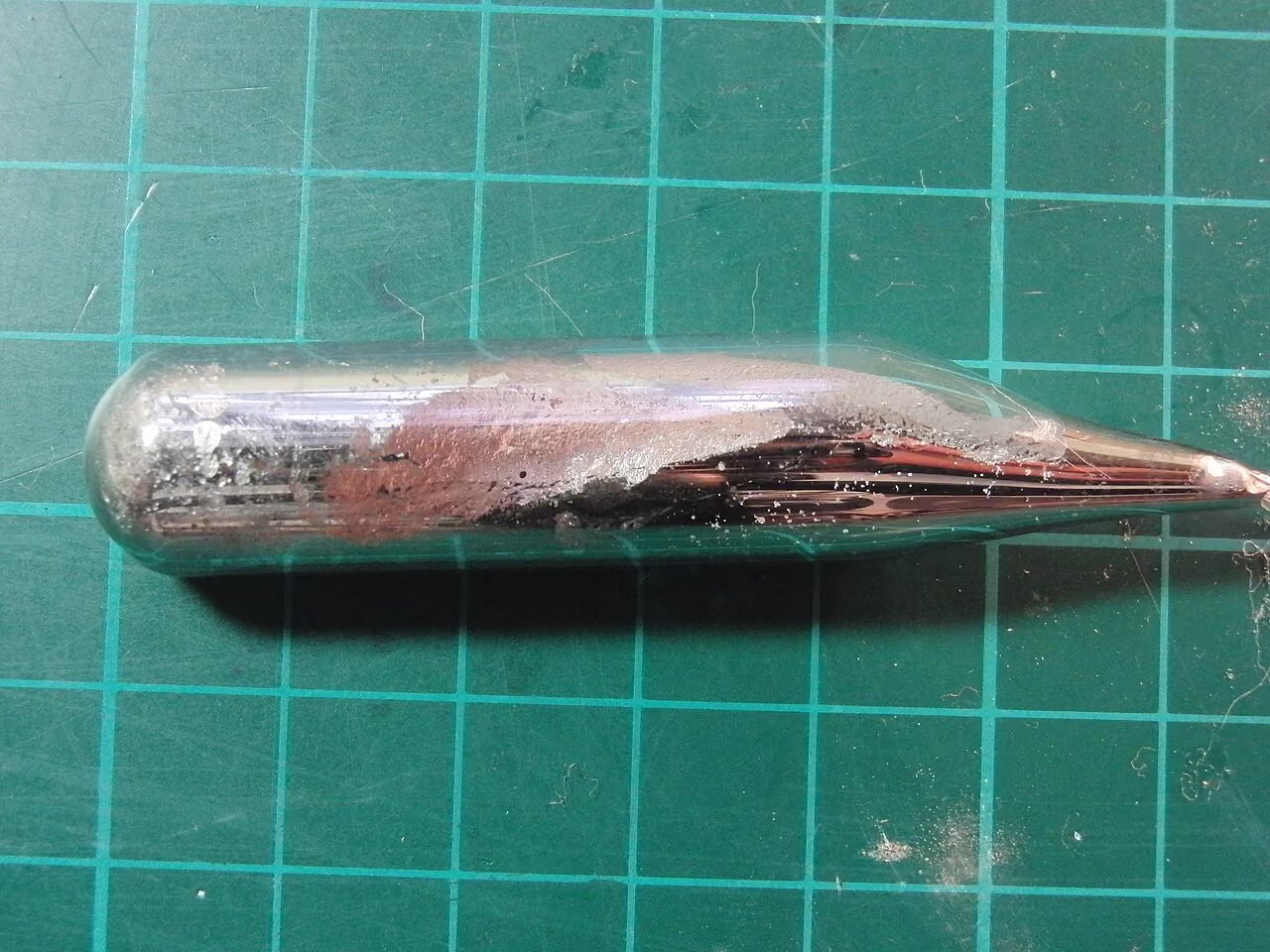

Clean power for AI datacenters


All of these metals are recovered as by-products from operating mining assets.
But for the past 40 years, they have not been recovered in the United States.
Mining operators have focused on primary metal production.
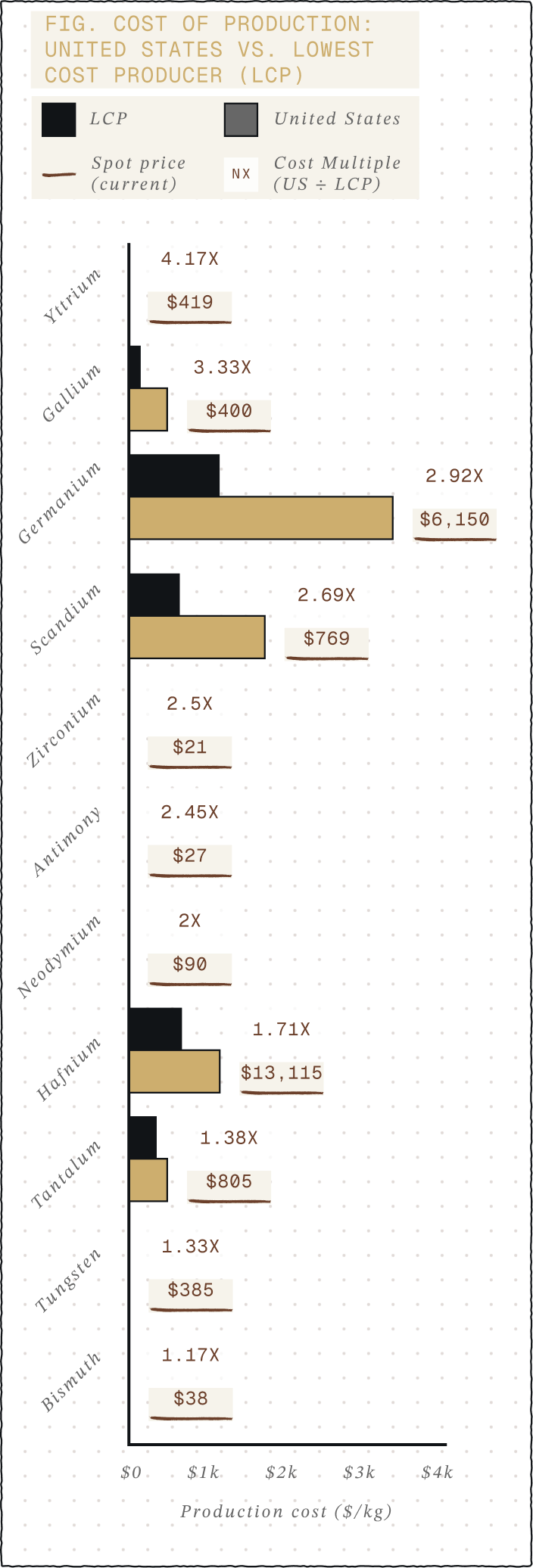
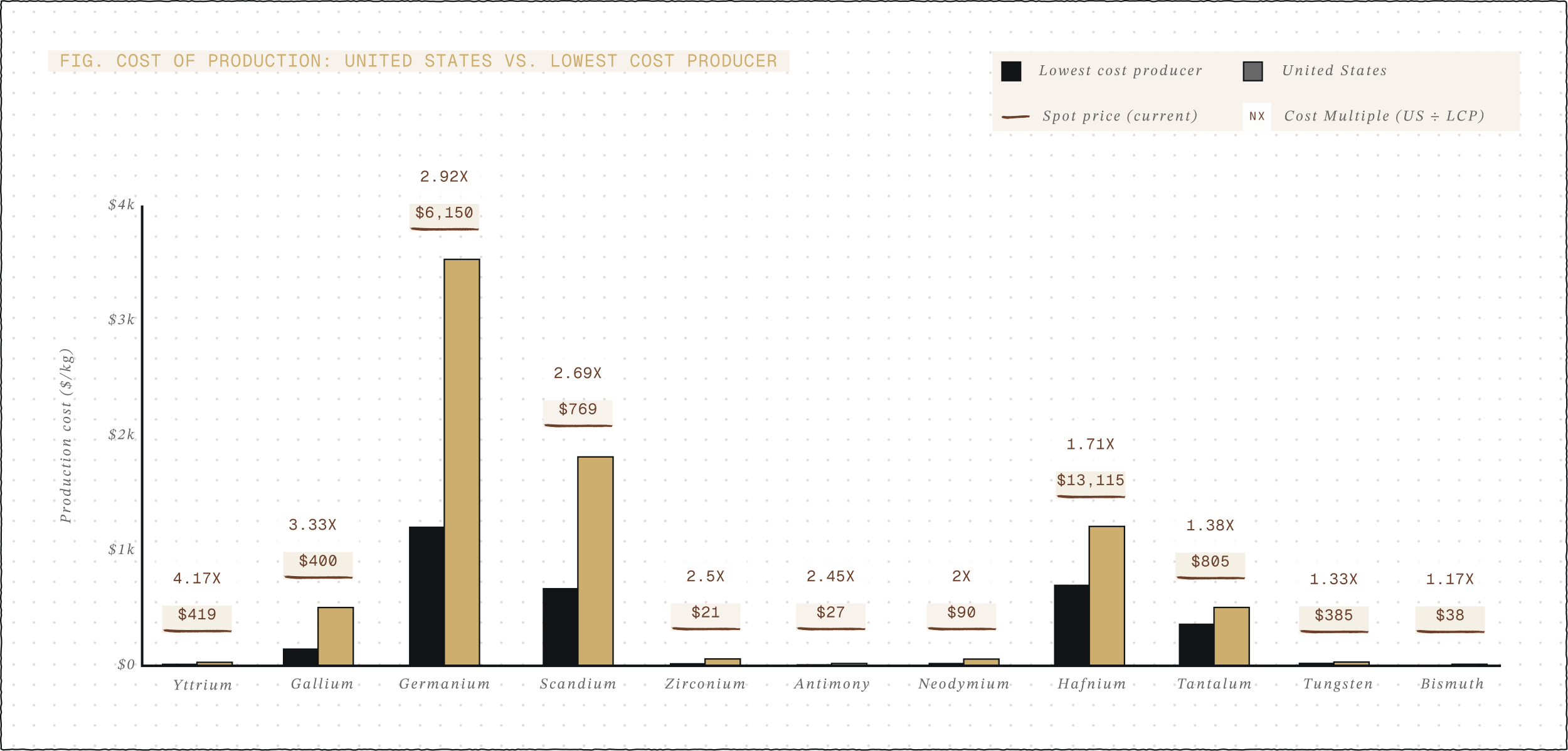
Linear axis, true proportions — germanium, scandium, hafnium & gallium cost far more per kg than the cheaper metals (yttrium, antimony, bismuth, zirconium, tungsten), whose bars are correspondingly short. Spot price is a floating green line above each pair (current Western quote, May–Jun 2026); it is not drawn to the cost axis because spot ranges up to ~$13,000/kg (hafnium) and would otherwise dwarf the cost bars. Multiple = US cost ÷ lowest-cost producer cost. Units: Sc & Y per kg oxide, Nb per kg contained Nb, others per kg metal. Hover any bar or line for full detail & sources.
Access to separation know-how, reagents, and equipment for critical metals is increasingly constrained. Kunin builds that capability domestically.
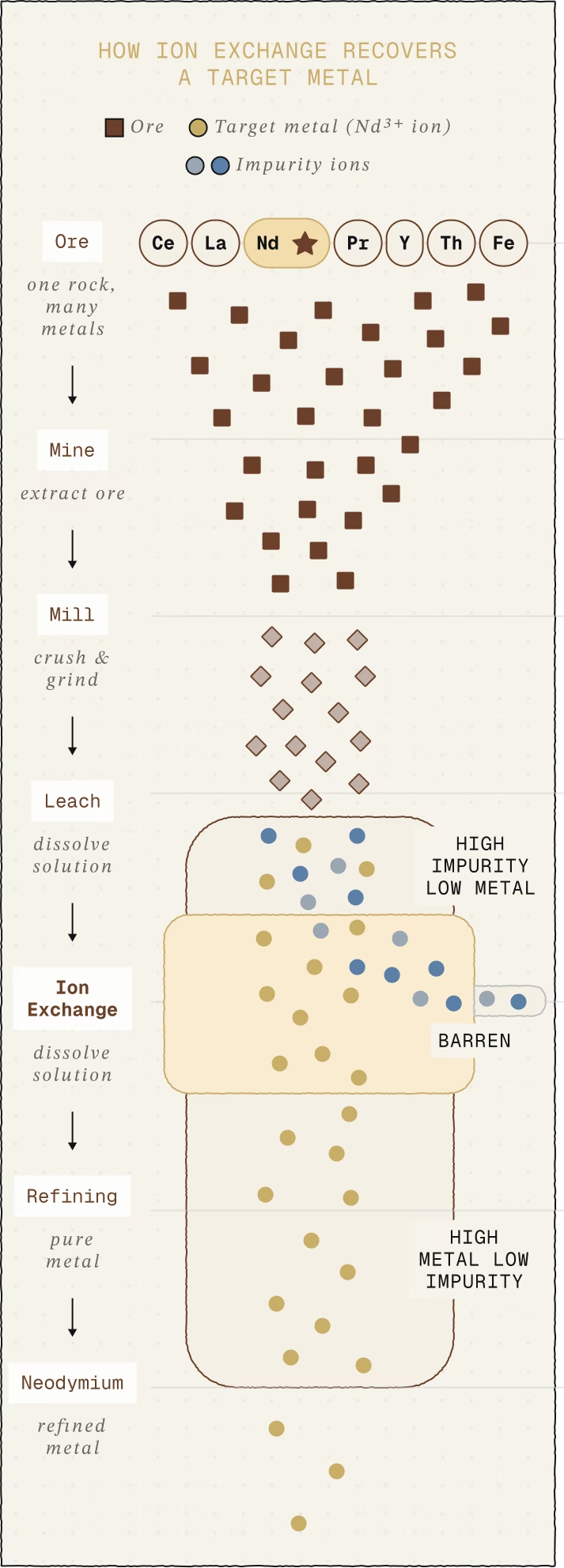
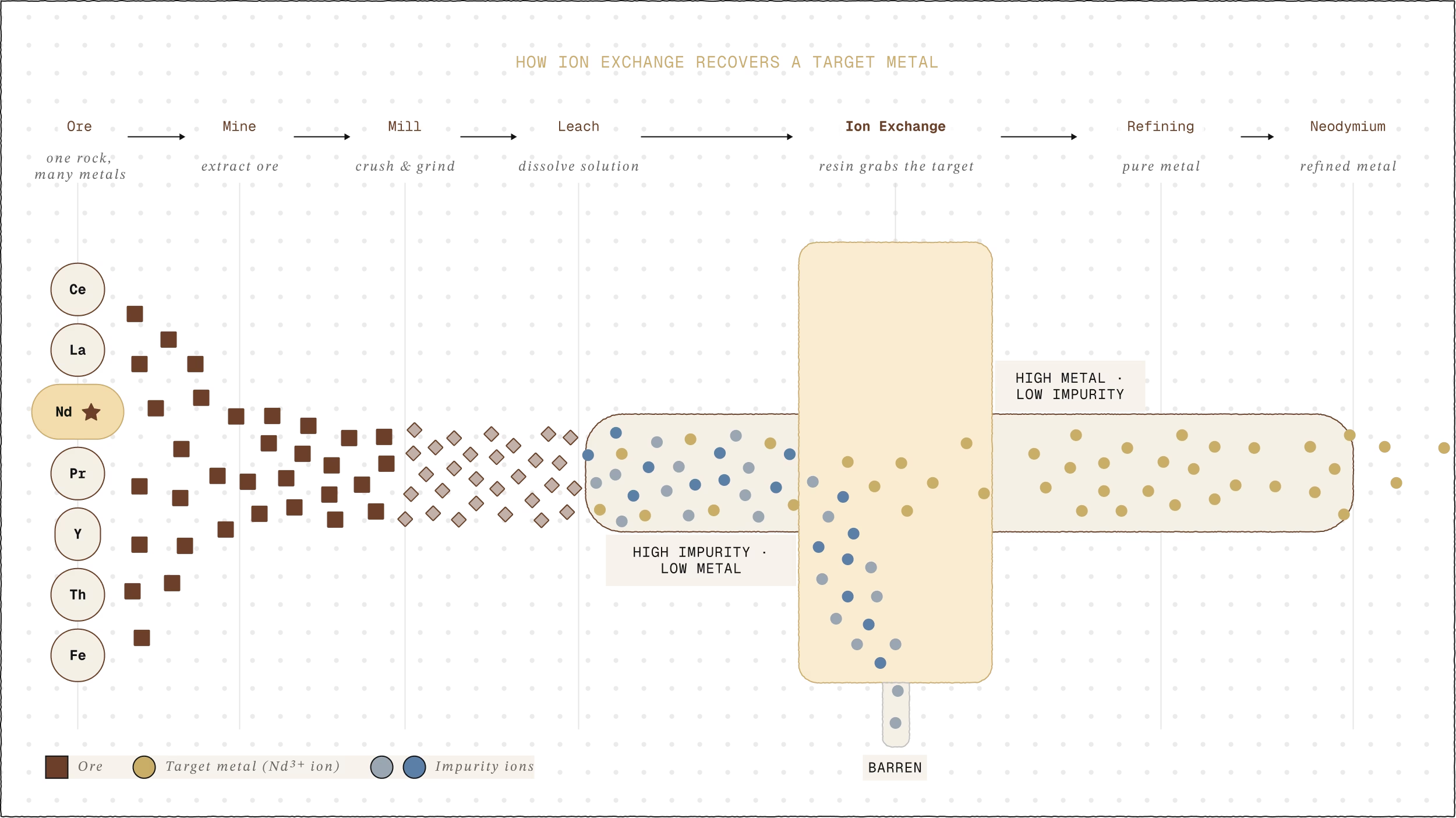
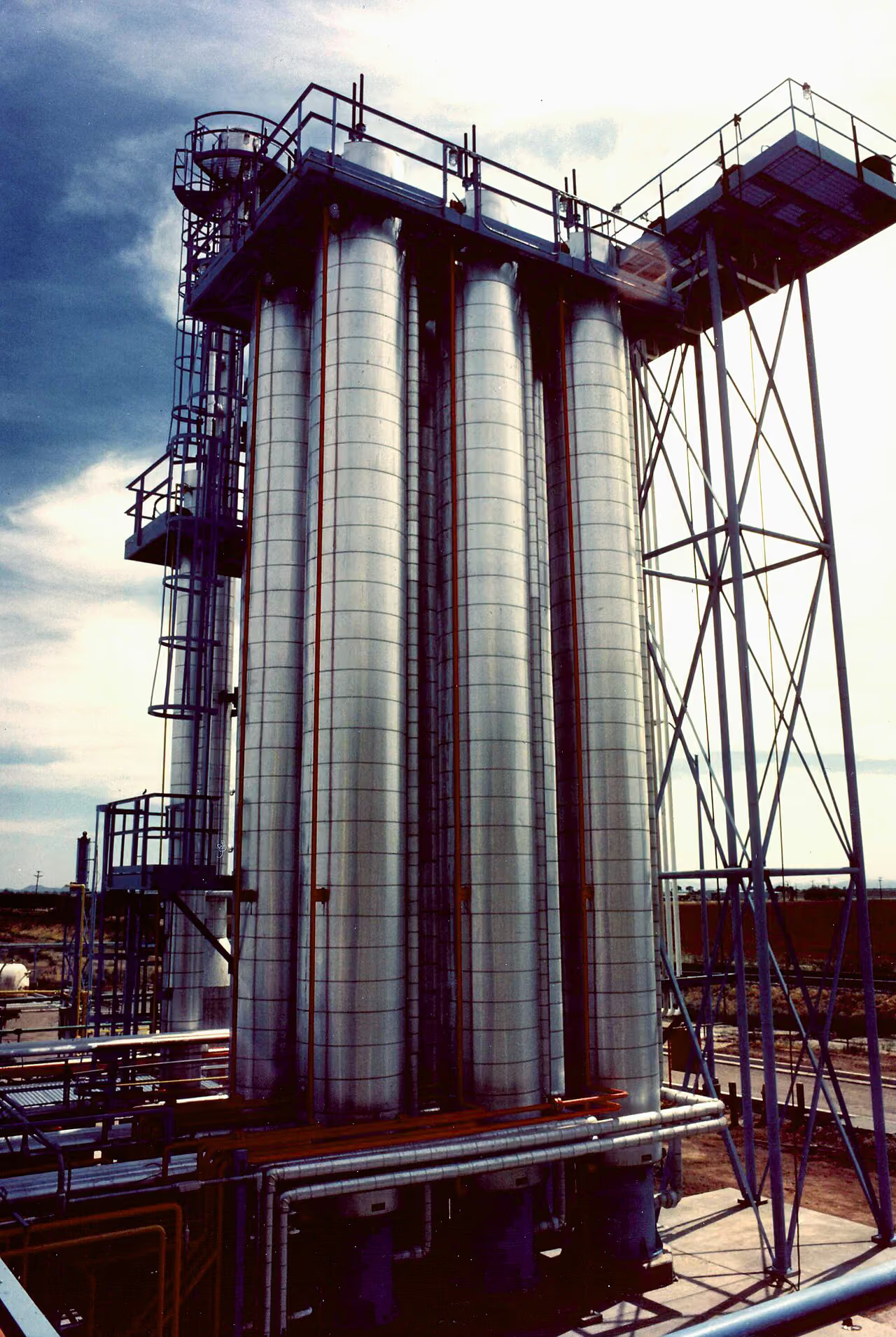
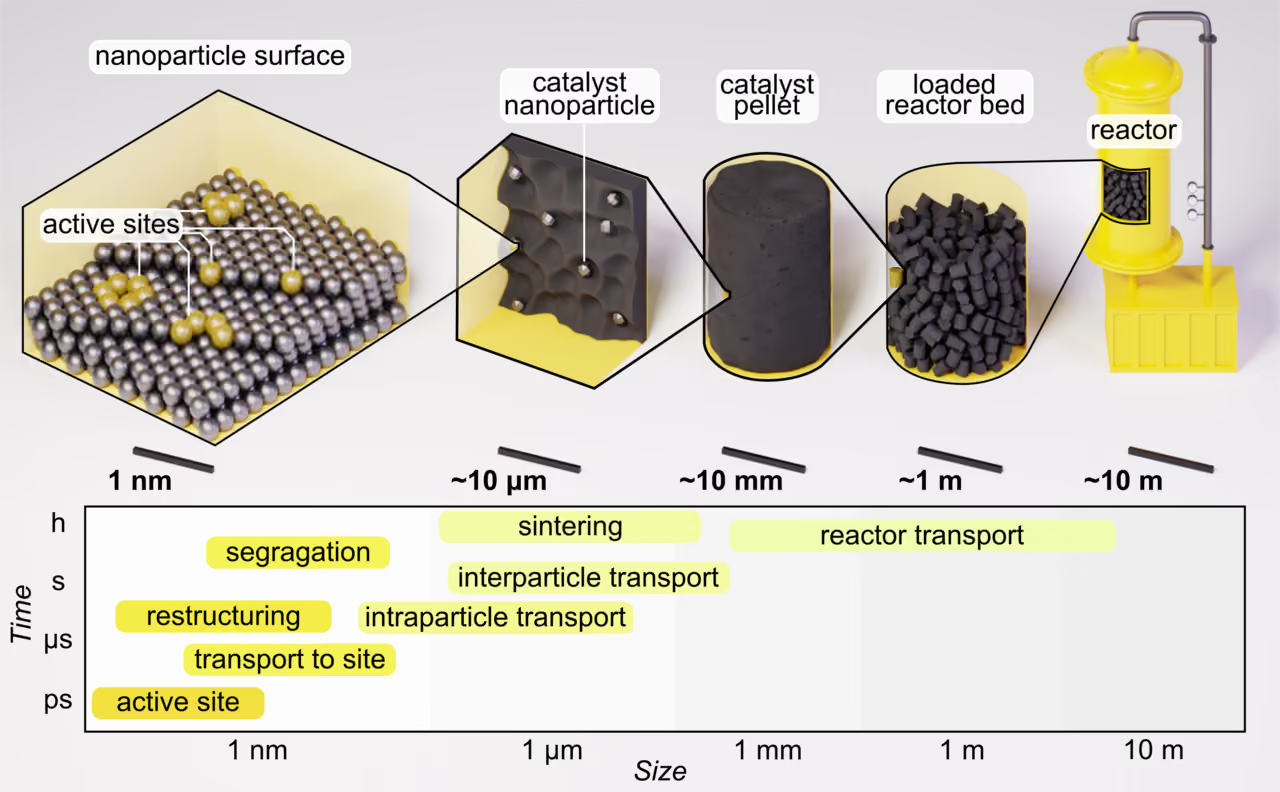
A real rock (the ore) holds many metals. Mining and milling free it; leaching dissolves it into a dirty, low-grade solution (lots of impurity ions, little of the target). In the ion-exchange column, the resin selectively binds the target metal while impurity ions wash through (the raffinate); eluting the resin then releases a clean, concentrated stream that goes to refining.
Each process-tech era is a shaded phase; from 2030 the separation cost forks: runaway without a breakthrough, or bent down by a Kunin IX breakthrough.

Left axis: copper head grade (% Cu) with the operating-grade band. Right axis: separation cost share (grade-driven to 2030, then the two scenarios). Shaded vertical bands are process-tech eras: pre-flotation, froth flotation (1912), flash smelting (1949), SX-EW (1968), HPGR & autonomy (2006), and the post-2030 “next step-change?” zone. Faint vertical lines mark each invention year. Scenario branches are illustrative (Kunin branch basis: Metionic IX TEA; runaway branch: modeled).
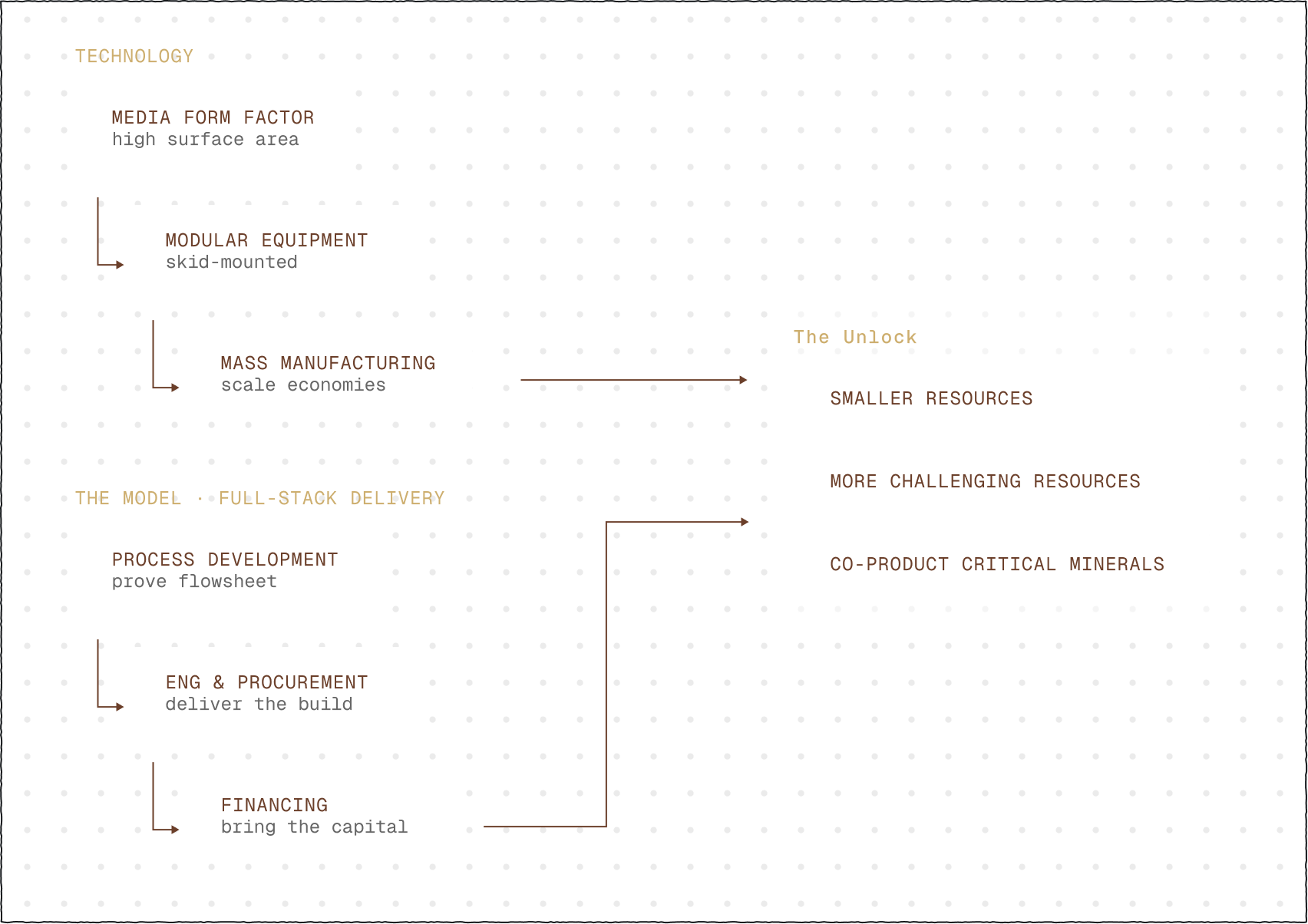
Two tracks — the technology and the full-stack model — converge to unlock resources the industry leaves behind.
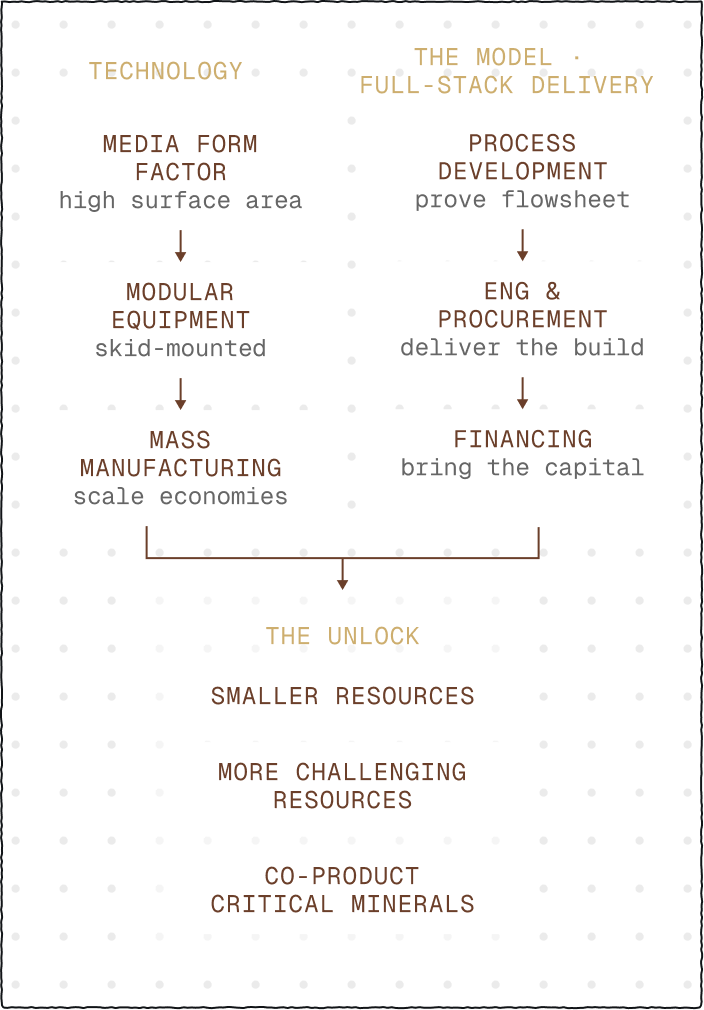
Two tracks, the technology and the full-stack model, converge to unlock resources the industry leaves behind.
We are America's vertically integrated ion-exchange company: resin manufacturer, process technology developer, and metal producer.
We produce a new resin form factor using the same functional chemistry tree developed since the 1940s.
Interested in buying resin for a project?We develop metal recovery processes using ion-exchange. Any feedstock. Any metal in the periodic table.
Developing a co-product circuit?We design and build co-product plants at operating mines, smelters, refineries, and industrial.
Exploring a greenfield, brownfield, or restart and want to evaluate co-products?We qualify, sell, and trade critical metals to western producers.
Need FY 2028 metal oxides, products, or integration to upstream?